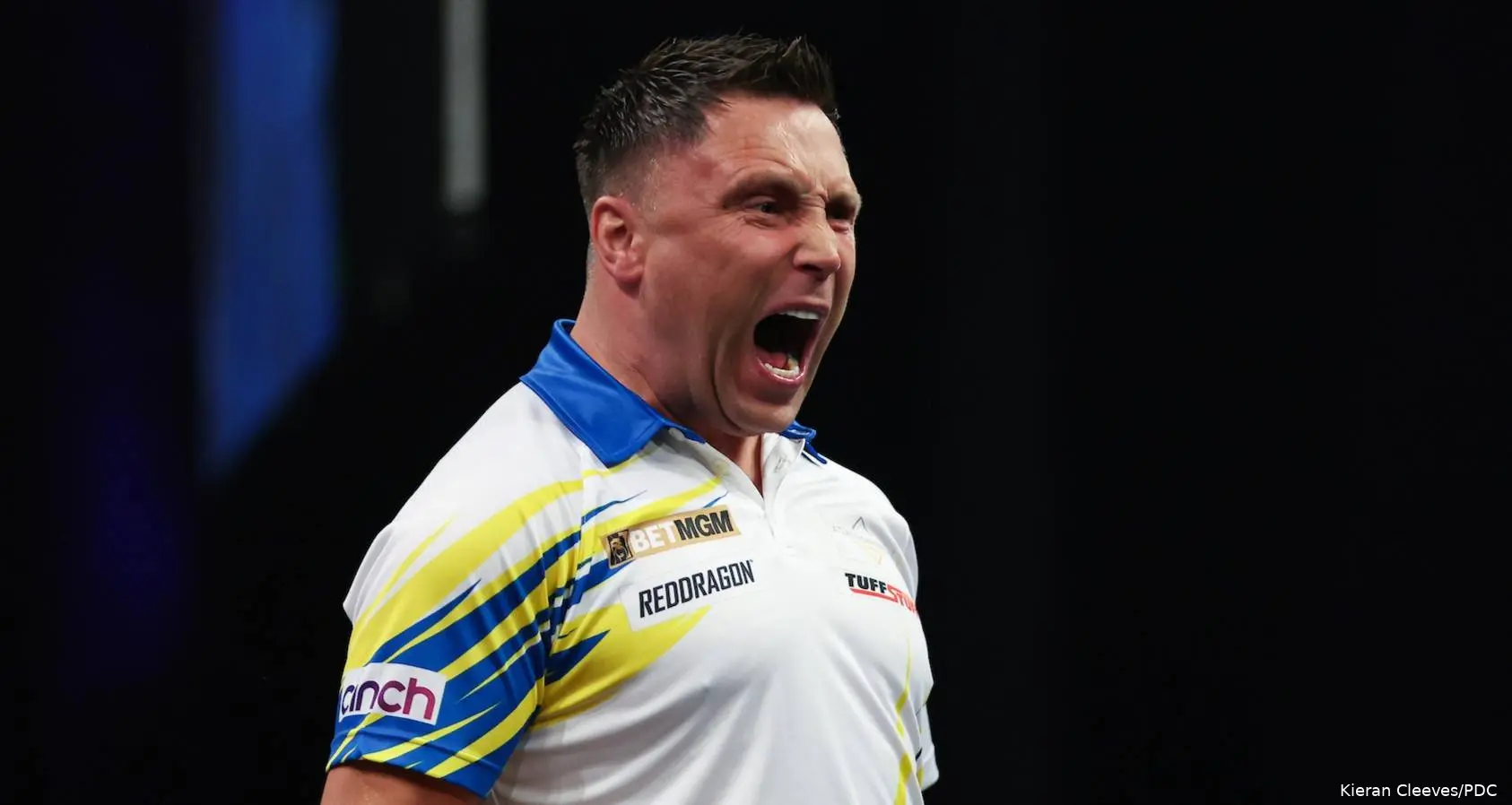
An age-old debate is whether darts is a sport. Some view it as a pub game, while others consider it a skill that anyone can master.
ADVERTISEMENT
While the debate continues in bars and pubs, the official answer is clear: governing bodies worldwide have formally classified darts as a professional sport.
- Introduction: The age‑old debate on "Why is Darts a sport?"
- Arguments for darts being a sport
- Arguments against darts being a sport
- Global Reach
- Darts in 2026 and how the 'Littler Effect' ended the pub game stigma
- Mental game
Introduction: The age‑old debate on "Why is Darts a sport?"
In the UK, it is officially recognized as a sport. It was recognised as of 2005 by Sport England who mulled over its inclusion with a period of debate as to whether it can be considered a pub game or a sport.
In that way it is very similar to snooker and pool but similar to those sports, it also takes a degree of skill and precision with high accuracy.
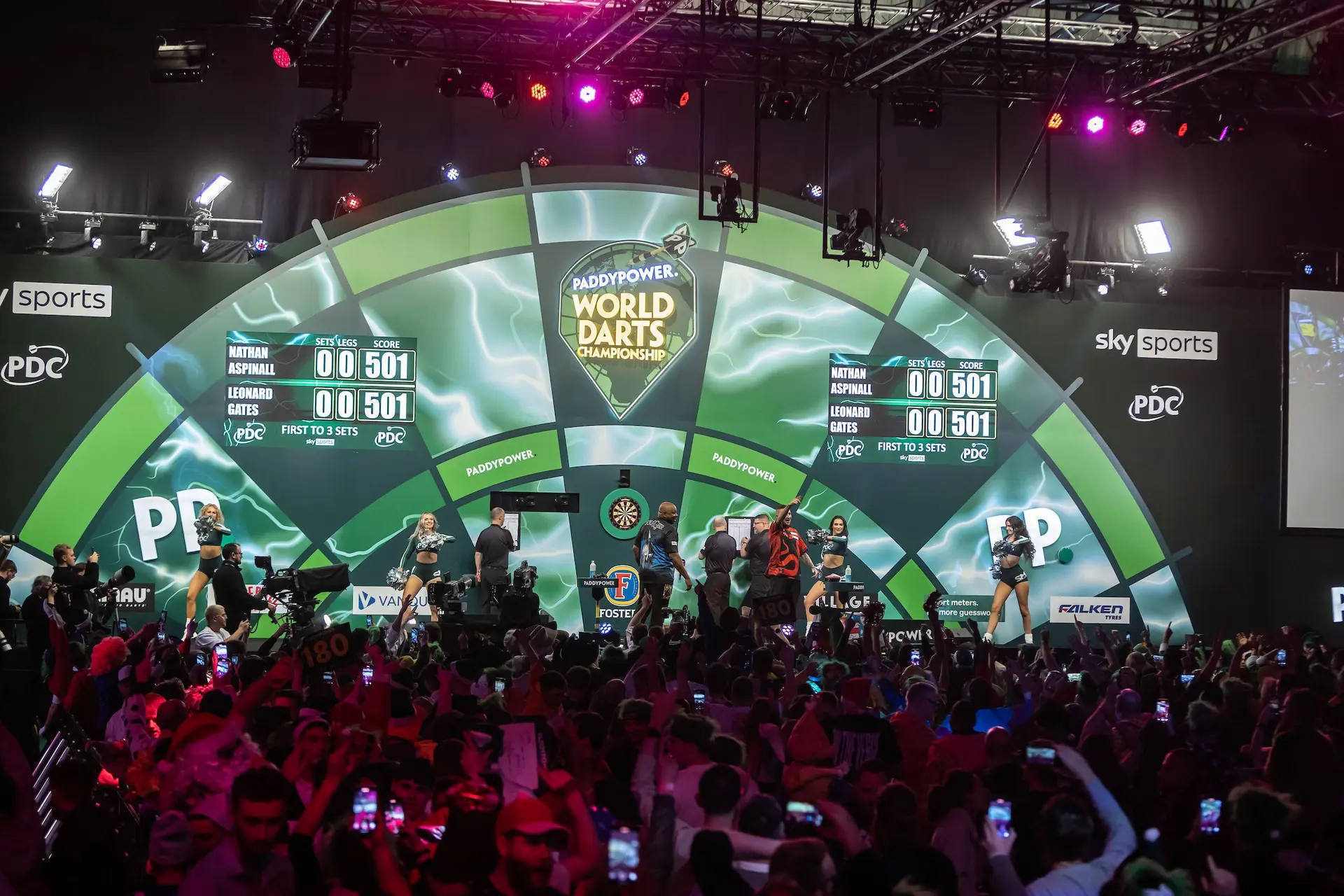
It is often a jibe levelled at darts that it is not a sport but it is recognised as such by the leading governing bodies and isn't just a sport that anyone can be good at.
ADVERTISEMENT
As well as the UK, England, United States, Ireland, Scotland, Netherlands, Germany and Belgium have all recognised it as an official sport as opposed to a game.
Arguments for darts being a sport
In terms of actual definition, a sport is an activity involving physical exertion and skill in which an individual or team competes against another or others for entertainment. So by definition also due to it being a sport also that not everyone can play, it is a sport.
Often the issue with darts is that it is a sport that anyone can play in the pub or a bar, but to actually play it well it takes like other sports hours of practice.
ADVERTISEMENT
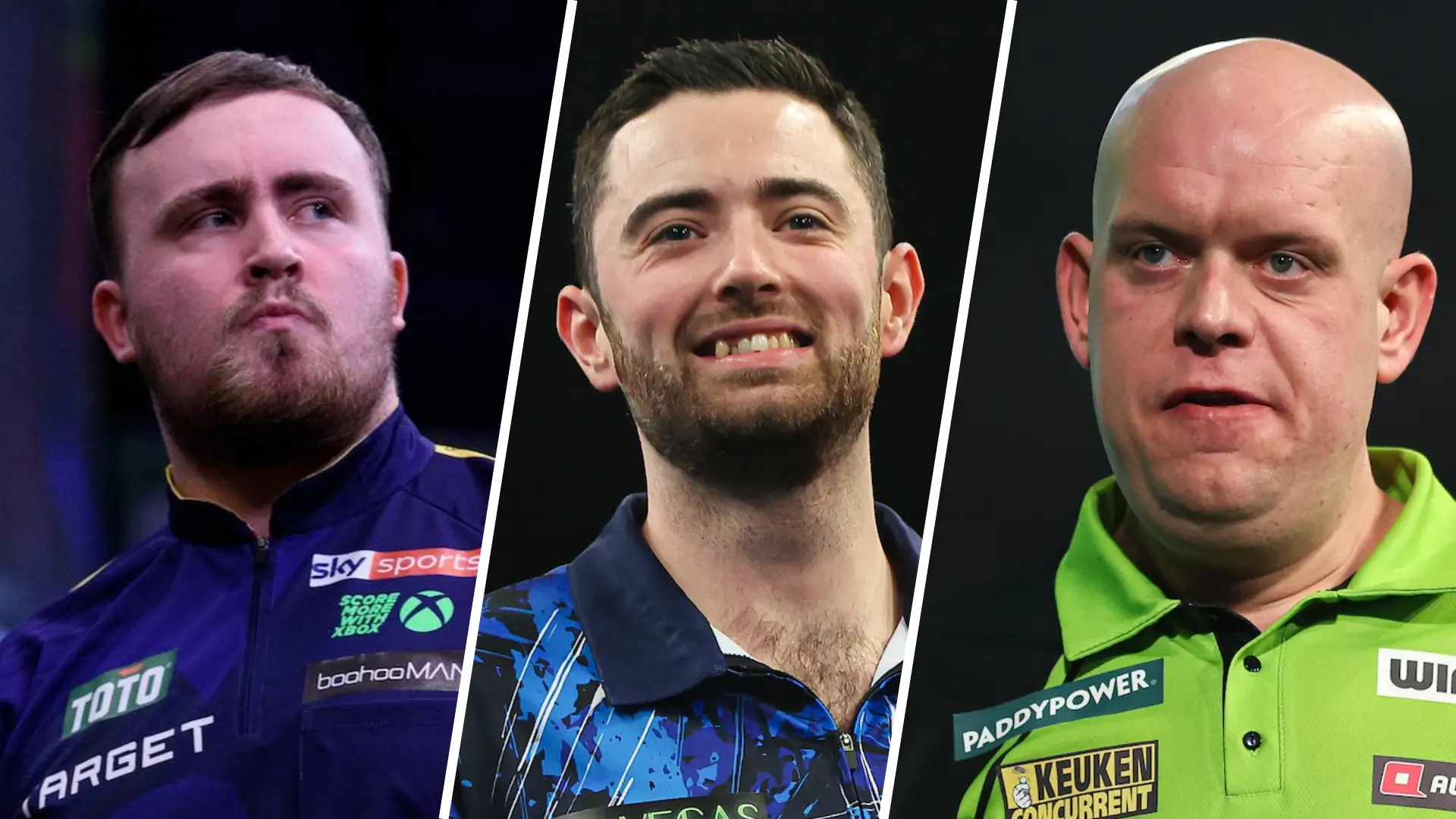
Also, some, such as Michael Smith, Luke Littler, and Adrian Lewis, have natural talent in the sport, which means they can throw darts fairly efficiently with minimal practice. This is not achieved by everyone, which is why darts players made £1-million at the PDC World Darts Championship last year.
Arguments against darts being a sport
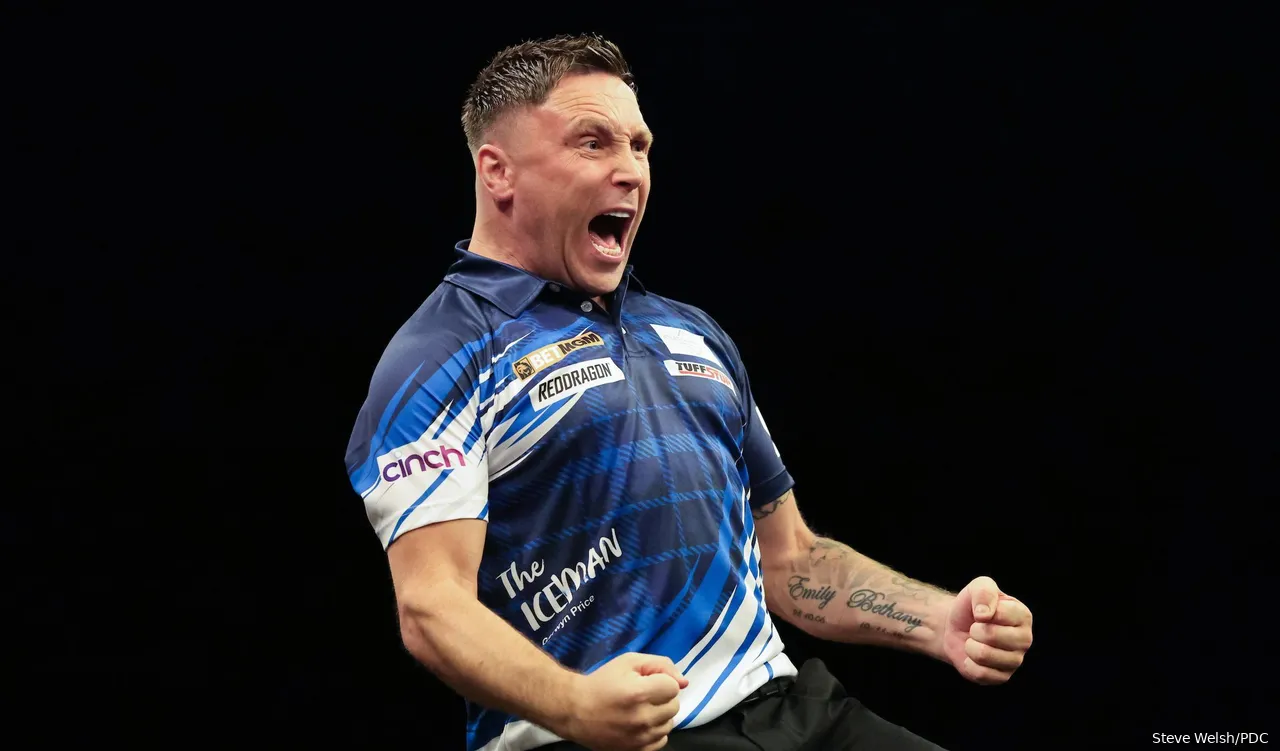
According to stats from 'The Telegraph', 78% of people do not see it as a real sport. But this is underlined by the fact that apart from perhaps modern era greats like Gerwyn Price, many aren't athletically appearing.
Comparing Luke Littler to Anthony Joshua for instance is pretty much a debate that leaves it null and void in the minds of many who still have images of the Not the Nine O'Clock News stage where the players would neck pints with the referee shouting how many milligrams that the pint included.
ADVERTISEMENT
This in itself as well as the images of Jocky Wilson and others smoking and drinking on stage still make some believe that it is not a sport to be taken seriously.
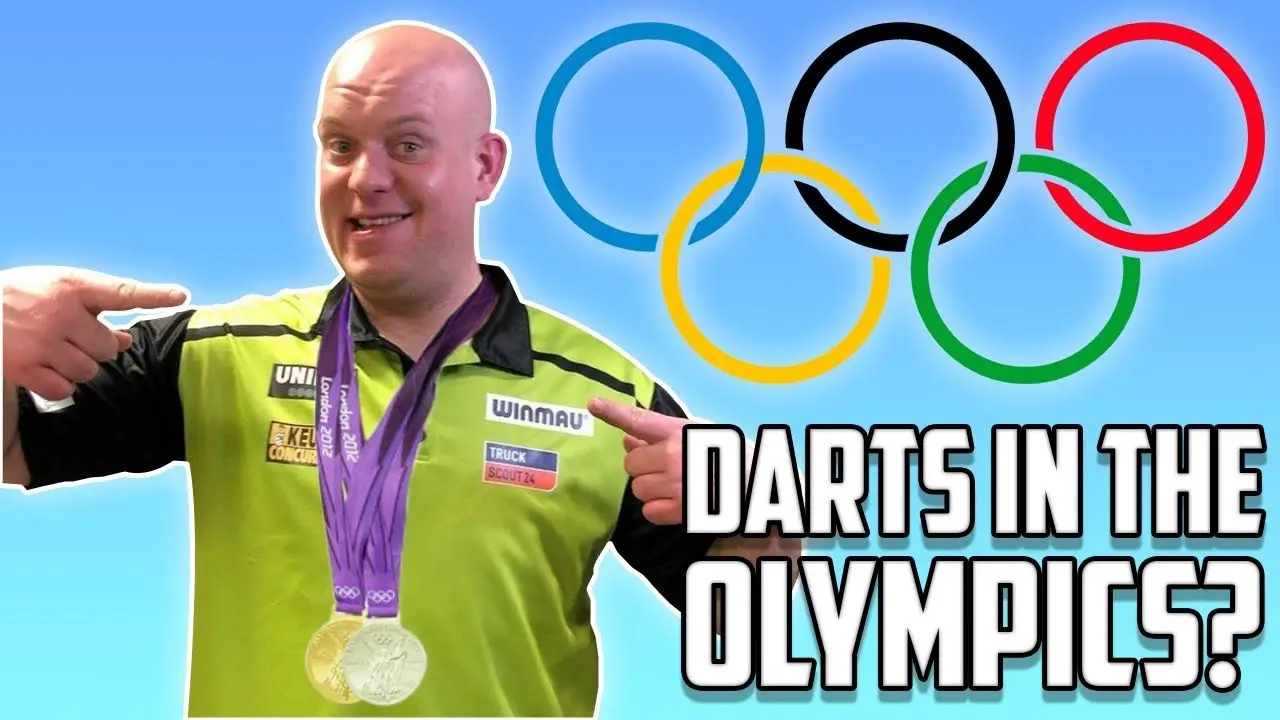
Albeit as societal perception shifts and athletes such as Luke Littler and Luke Humphries come into public consciousness even more, there may be room for those even outside of the official definition who now pick the game up to see it as a bona fide sport. Humphries has also come out in support for it to be included in the Olympic Games.
Global Reach
It's a sport also that is played professionally across the world with such tournaments as the World Darts Championship attracting millions of viewers.
ADVERTISEMENT
In addition with such tournaments as the World Cup of Darts, WDF Europe Cup among others, it gives the top names an opportunity to represent their country and seal national titles.
The perception of darts has also improved massively with Luke Littler and Luke Humphries bringing it to the masses even more so which has changed some views of those who have previously seen it as not a sport.
Darts in 2026 and how the 'Littler Effect' ended the pub game stigma
In 2026, the long-standing debate over the athletic status of darts has effectively been settled by the emergence of a high-performance era. The global explosion of talent—headlined by the "Littler Effect"—has reframed the sport as a discipline of extreme mental focus and early-onset mastery.
When young prodigies perform under the scrutiny of millions, the narrative shifts from a casual hobby to a specialised craft requiring immense psychological fortitude.
ADVERTISEMENT
This shift is further bolstered by a visible fitness revolution on the professional circuit. Modern stars like Gerwyn Price and Luke Humphries have dismantled the "unathletic" stereotype by prioritising cardiovascular health and core stability to maintain throwing rhythm during gruelling, multi-hour matches.
This focus on sports science has transformed the 2026 tour into a landscape of elite competitors who treat their bodies with the same rigours as traditional athletes.
Beyond the stage, the sport’s credibility is being reinforced in classrooms and committee rooms alike. Recognised for its role in "active numeracy," darts is now utilised by educational bodies to combine high-speed mental arithmetic with fine motor precision. This academic integration, coupled with the World Darts Federation’s intensified bid for the Brisbane 2032 Games, has moved the conversation beyond the pub.
Today, the focus is no longer on whether darts is a sport, but on how its massive global footprint and stadium-filling atmosphere make it an inevitable candidate for the Olympic stage.
Mental Game and Conclusion
ADVERTISEMENT
As alluded to, it is about physiological resilience and strategic thinking as well as the physical execution and takes special darts players to do it at the top level.
While it might not be as demanding as football or athletics in regards to the physical nature, it is competitive and skill-based so in conclusion reaches a criteria for a sport.

Samuel GillChief Content Officer
Samuel Gill is the Chief Content Officer (CCO) of DartsNews.com, a role he has held since 2020. He is responsible for editorial governance across the platform, including setting content standards, overseeing accuracy and consistency, and guiding long-term editorial strategy across professional darts coverage. Since joining, he has contributed more than 10,000 articles and editorial pieces, playing a central role in the development and daily operation of the site.
Based in Leicester, Samuel has extensive experience in darts media and has been closely involved in coverage of the professional darts circuit for several years. Within the UK darts community, he is a recognised figure known for his consistent editorial output and ongoing reporting on major tournaments and developments across the PDC calendar.
In his current role, Samuel works closely with editors and writers to ensure content meets clear journalistic standards, with a focus on source verification, editorial consistency, and timely updates when new, confirmed information becomes available.
claps 2visitors 1
Just in

Popular news
Latest comments
- I agree,I can't believe the lack of coverage of this sad loss. Always enjoyed watching him,but I guess now it's all about littler,well it seems that way. Darts has sadly lost a good manrick6717-10-2026
- In the absence of a report regarding the death of Stefan Lord, I'll assist. An excellent player in the late 70s and early 80s, he actually won the now defunct 3rd place match at two World Championships and a couple of the News of the World Championships. A fabulous player and easily the best Swedish player ever. Rest peacefully Stefan.richieburnettrocks16-10-2026
- Joking aside, it is the second most watched sport on sky (more than golf, F1 etc) behind football only, and in participation is second to only football and swimming. It doesn't get the attention or sponsorship of "bigger" sports because it's not as sexy, but it's right up there.BandB13-10-2026
- i love darts but you can't seriously believe it's the second most popular sport in the uk. even top five is pushing it. it may be the fastest growing, though.colt13-10-2026
- I'm a big Clayton fan, but he's got this completely wrong. Qualification criteria exists for a reason - so just as failing to make the top 32/64 for the Euro championships/PT Finals means you miss out, so does not lifting a title for this one.26sForFun12-10-2026
- The players who deliberately slow the game down are usually boring and win very little in the way of silverware. Horrible to watch.MrYnyslas197112-10-2026
- [“The Gentle” then used a sweeping and questionable phrase...] You anglocucks are hilariously finished in every sense of the word.Critical99911-10-2026
- I love Jonny but I disagree. The Grand Slam was always supposed to be "champion of champions" type competition. If the top 16 are guaranteed participation in everything there will be so much less jeopardy involved in qualifying and each major tournament will lose its unique flavour which the PDC has worked hard trying to develop. I enjoy following the qualification races towards the end of the year, and while consistency should have its rewards, the truth is Jonny hasn't reached a major final all year or won a single event on the Pro Tour. Being consistent is one thing, but that alone should have consequences as the sport's elite should not be prepared to accept consistently strong performances, their foremost motivation should be to win and this should be what separates them from the rest, not the consistency of their performances. Jonny is expecting that losing should be enough; it shouldn't be, at least not as far as the Grand Slam is concerned.Deduce635811-10-2026
- Well being honest,it doesn't matter what level you play at, there's always someone who slows it down to suit themselves,and extra swig of water, replacing flights, asking the ref what the score is. It happens wherever. I'm not saying it's professional,but I'm sure we've all seen it beforerick6711-10-2026
- Agree completely. Not sure how a ranking event can have a criteria not based on rankings. And he right on popularity. In the UK second only to football.BandB11-10-2026
Loading