The old guard under fire at the European Championship: Can Michael van Gerwen and co still stop the rising young stars?
PDC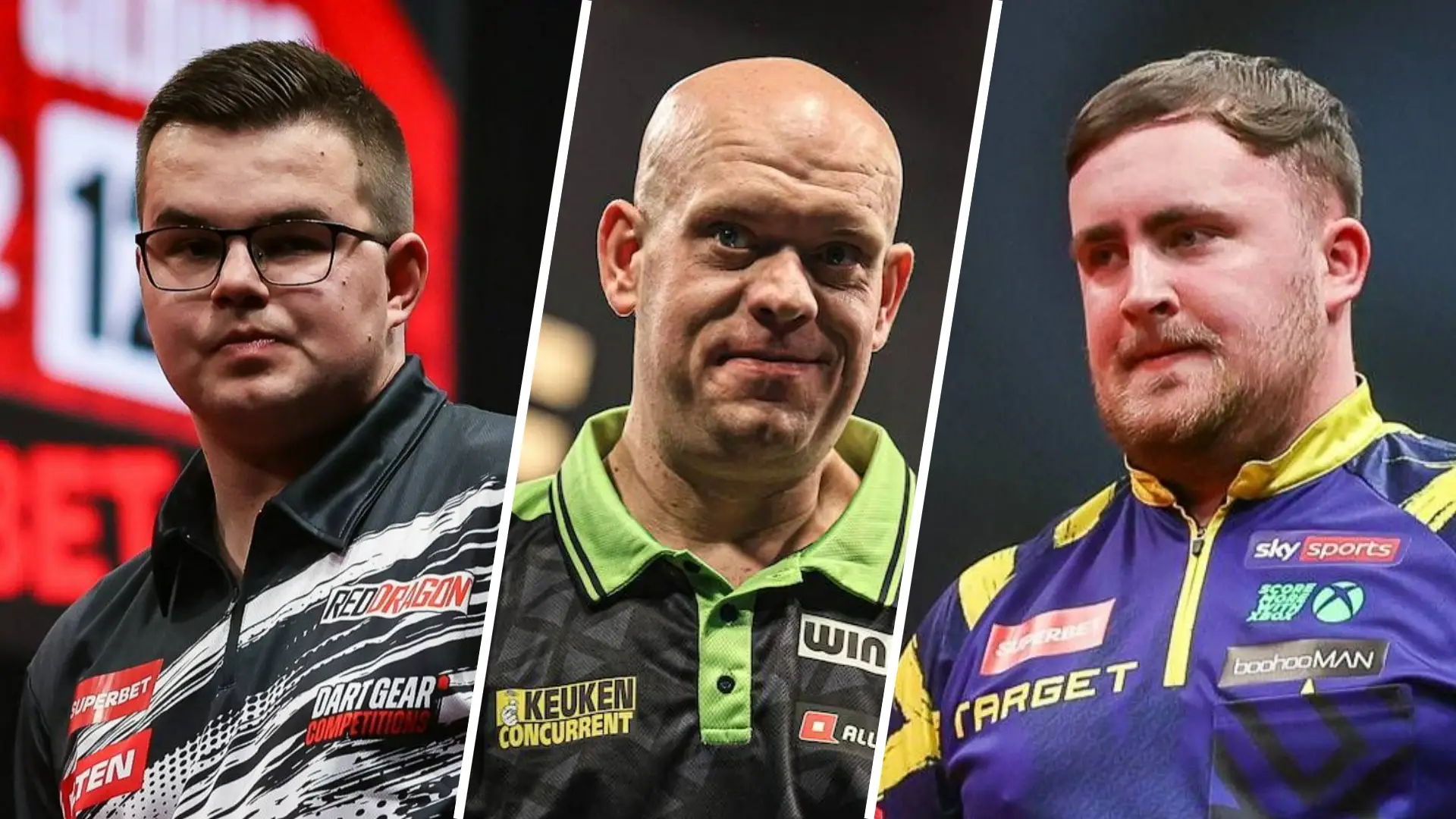
The European Championship Darts begins next Thursday at the Westfalenhallen in Dortmund. It promises to be a fascinating clash between the rising generation and the established names. The latter are coming under increasing pressure from young, emerging talent. The European Championship is sure to deliver plenty of drama, but who will come out on top? Will the young guns take control, or will the more experienced players prove they still belong among the very best?
ADVERTISEMENT
A look at the field for the European Championship shows just how important top-level experience can be. Fourteen of the 32 players have won at least one PDC major during their careers. Half the field has already proved it can win titles on the biggest stages. One detail stands out, though: most of those players belong to the more experienced generation, while the younger players are still searching for their first major title.
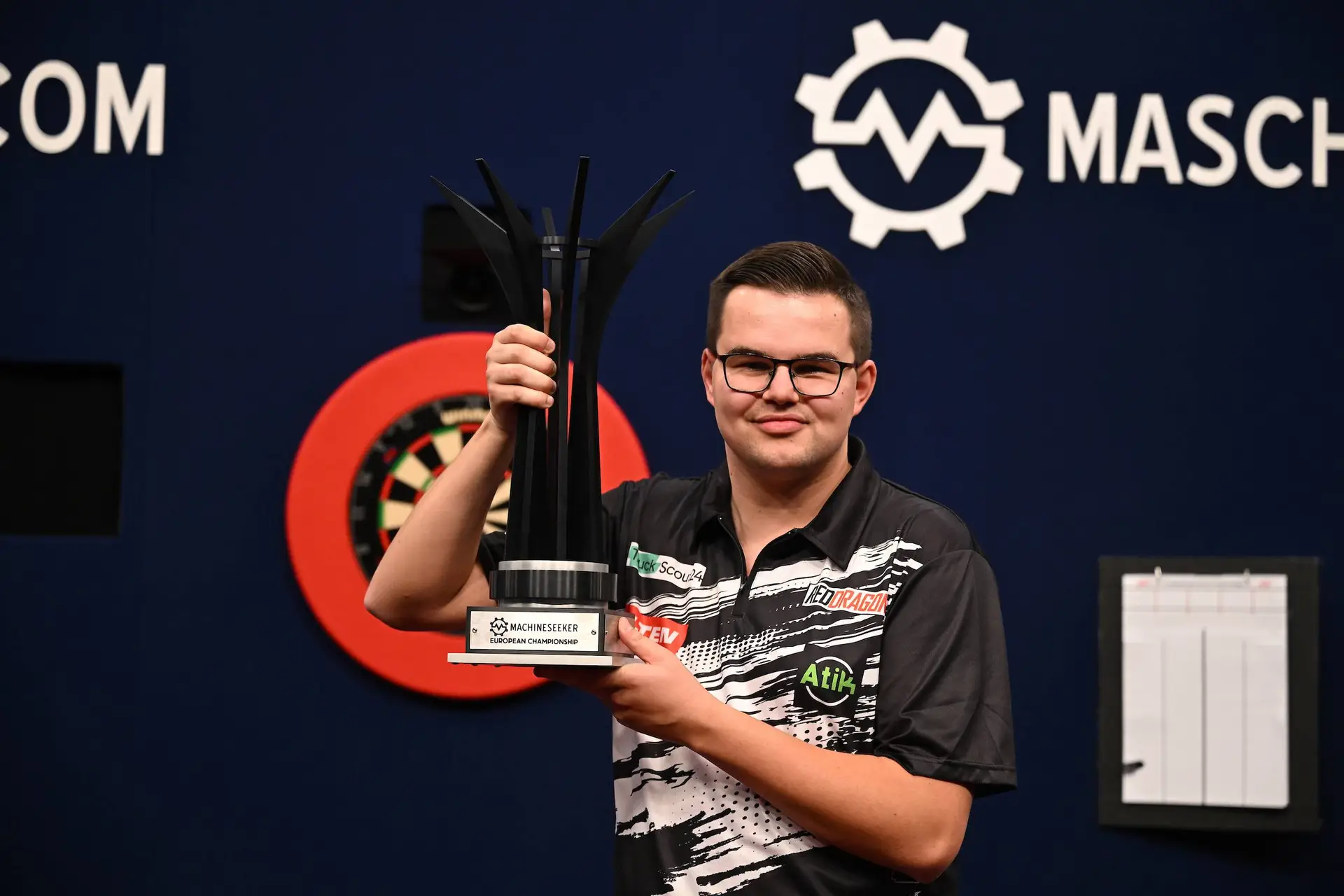
So far, only two players under 30 have won one or more PDC majors: Luke Littler and Gian van Veen, who have made a major impact on international darts in recent months. Littler, in particular, has built an impressive record in a short time. The young Englishman has collected a string of prestigious titles in just a few years and is comfortably ranked world number one. Van Veen has also shown he can compete with the best in the world, underlining his quality by winning the European title last year.
The European Championship carries added significance for Littler. The European title is the only major missing from his trophy cabinet. Despite winning numerous major tournaments at such a young age, he has yet to claim the title at the European Championship. In Dortmund, he gets another chance to add that final missing piece to his impressive record. Given his ability and experience on the big stage, he will surely be among the favourites.
Recent history shows that the established names will not give way without a fight. Since 2020, the European Championship has been won by a player under 30 just once. That honour went to Gian van Veen last year, ending the dominance of the more experienced generation. The question now is whether the young players can follow his example, or whether the established names will claim the top prize again.
European Championship winners since 2020
| Year | Winner | Age when winning |
| 2020 | Peter Wright | 50 |
| 2021 | Rob Cross | 31 |
| 2022 | Ross Smith | 33 |
| 2023 | Peter Wright | 53 |
| 2024 | Ritchie Edhouse | 41 |
| 2025 | Gian van Veen | 23 |
Dutch players on the rise
ADVERTISEMENT
This year, the challenge to the established names is coming mainly from the Netherlands. Wessel Nijman and Niels Zonneveld have both been knocking loudly on the door of the world’s elite in recent months. Both are enjoying strong seasons and have shown they can compete with the best on the floor and on the European Tour.
The 26-year-old Nijman has been particularly impressive this year. He announced himself with six Players Championship titles and two European Tour victories, making him one of the season’s most successful players. He has also climbed significantly in the world rankings and is now one of the highest-ranked Dutch players.

Wessel Nijman has already won eight PDC ranking titles this year
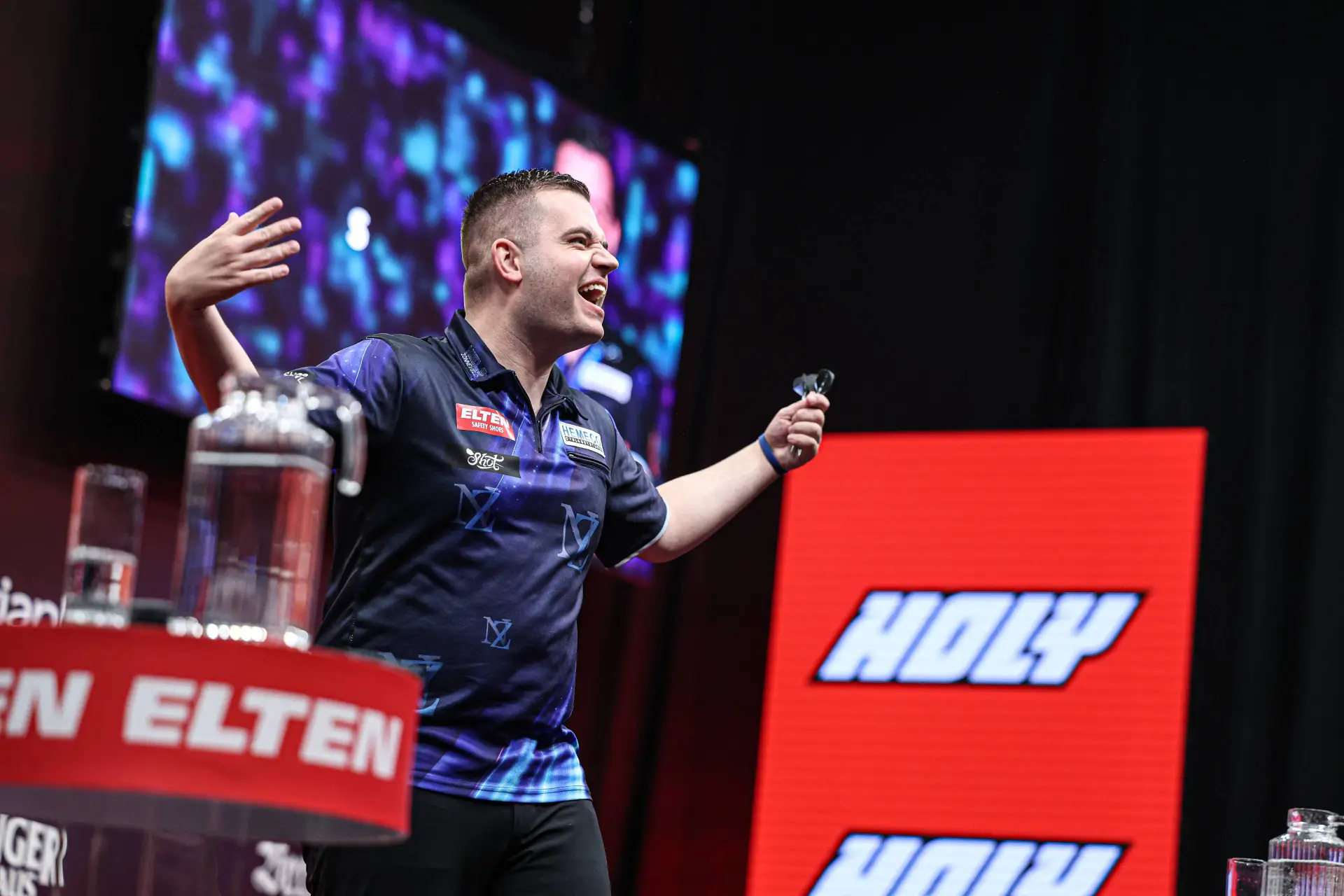
Last weekend, it was Niels Zonneveld’s turn to make headlines. The Dutchman won the Dutch Darts Championship, a major milestone in his career. The triumph showed that Zonneveld is also finding his feet at the highest level. Alongside Nijman, he is one of the standout names in Dutch darts, and both players can look ahead to the European Championship with confidence.
They face a major challenge in Dortmund, however. Nijman has produced impressive results on the Players Championship circuit and European Tour, but has yet to carry that form over to the big televised tournaments. His best result at a PDC major remains a last-16 finish. That shows how difficult it can be to turn success on the regular tour into a place among the elite.
ADVERTISEMENT
At the majors, experience, match sharpness and the ability to handle pressure often prove decisive. Established players usually know what it takes to produce their best when it matters most. Dortmund offers Nijman and Zonneveld a great chance to break through that barrier. Their current form gives them reason to be ambitious, but can they turn it into a first major title?
Kevin Doets is another young Dutchman making his presence felt. The Dutchman, who lives in Sweden, took a major step in his career this year by winning his first PDC ranking title at Players Championship 13. Doets showed he can spring a surprise on the big stage and sustain his level over an entire tournament. His next challenge is to carry that form over to the majors. The European Championship gives him another chance to test himself against the world’s best and take the next step in his development.
Doets has shown on several occasions in recent years that he can be a dangerous opponent. His attacking style and scoring power can trouble even the biggest names. With his first ranking title under his belt, his confidence will surely have grown. A strong showing in Dortmund would further establish him as one of the Dutch players to watch.
Can Rock “finally” win a major?
And what about Josh Rock? The 25-year-old Northern Irishman has been tipped for several years as a future major winner. Rock has outstanding scoring power and has repeatedly shown that, on his day, he can compete with the world’s elite. Yet the long-awaited breakthrough at an individual major has not come. The step from talented challenger to winner of one of the biggest titles has proved harder than expected.
ADVERTISEMENT
A few years ago, Rock’s natural talent was often mentioned in the same breath as Luke Littler’s. Both were seen as exceptional prospects who would eventually share the biggest prizes. Littler has since surged ahead of his generation. The Englishman has already won several majors at a young age and become one of the defining figures in modern darts, while Rock is still waiting for his first individual major title.
That does not mean Rock has missed his chance. At 25, he still has plenty of time to fulfil his potential. The European Championship could provide an important platform. Doets and Rock both have an opportunity in Dortmund to strengthen their case and show they have more than talent: they are ready to deliver on the biggest occasions.

Josh Rock is currently ranked eighth in the world
A clear trend is gradually emerging in darts: the average age of players at the very top is falling. In the past, it was not unusual for players to compete for the biggest prizes well into their thirties, forties or even fifties. Now, the new generation seems to be reaching the top at an increasingly young age. The established names have more reason than ever to stay alert.
Luke Littler is the clearest example. The Englishman is just 19, yet he has already built an impressive record and joined the very elite of darts. His success is not an isolated case. Other young players are also making their mark more often, showing that age is becoming less of a barrier to competing at the highest level.
ADVERTISEMENT
The European Championship field reflects this shift. Of the 32 players competing for the title in Dortmund, only nine are 40 or older. Just two, Jonny Clayton and Andrew Gilding, are over 50. That is striking in a sport where experience was long considered a major asset and players often remained competitive at the highest level well into later life.
Wright, Van Barneveld and Anderson miss out in Dortmund
The absence of several familiar names makes the shift even clearer. Peter Wright, Raymond van Barneveld and Gary Anderson have all enjoyed major success in the past, but failed to qualify for this year’s European Championship. Their absence leaves room for a new generation to prove itself on the big stage in Dortmund.
That does not mean the older generation’s experience suddenly counts for nothing. Players such as Clayton continue to show they can perform at the highest level. Even so, the balance appears to be shifting towards the younger players. Dortmund could offer another indication of whether that trend will continue or the veterans will make their presence felt again.
Age guide to all 2026 European Championship players
ADVERTISEMENT
| Player | Age | Player | Age |
| Luke Littler | 19 | Ross Smith | 37 |
| Gian van Veen | 24 | Michael van Gerwen | 37 |
| Josh Rock | 25 | Luke Woodhouse | 38 |
| Wessel Nijman | 26 | Jermaine Wattimena | 38 |
| Niko Springer | 26 | Damon Heta | 39 |
| Kevin Doets | 28 | Ryan Searle | 39 |
| Niels Zonneveld | 28 | Cristo Reyes | 39 |
| Martin Schindler | 30 | William O'Connor | 40 |
| Luke Humphries | 31 | Gerwyn Price | 41 |
| Dirk van Duijvenbode | 34 | Stephen Bunting | 41 |
| Nathan Aspinall | 35 | Ryan Joyce | 41 |
| Danny Noppert | 35 | James Wade | 43 |
| Rob Cross | 36 | Dave Chisnall | 46 |
| Chris Dobey | 36 | Krzysztof Ratajski | 49 |
| Cameron Menzies | 36 | Jonny Clayton | 52 |
| Ross Smith | 37 | Andrew Gilding | 55 |
It would be a mistake, though, to write off the established names. The younger generation is increasingly making its presence felt, but several experienced players continue to show they can play a major role on the biggest stages. This year’s results prove that age need not be an obstacle to competing for the most important titles.
Gerwyn Price is one of the best examples. The 41-year-old Welshman has reached three of the six individual major finals played so far this year. He has lost each one, but those runs underline his consistency. Price has been among the players making deep runs at major tournaments for months and seems just one step away from another big title. The former world champion heads into the European Championship with an added mission. He will want to win the title in Dortmund and prove he can still claim the biggest prizes. After three major final defeats, victory would also be a fitting reward for his strong season.
Gerwyn Price’s results at PDC majors in 2026
| World Masters | Semi-final | Luke Littler | 4–5 |
| UK Open | Semi-final | James Wade | 8–11 |
| Premier League Darts | Semi-final (play-offs) | Luke Littler | 9–10 |
| World Matchplay | Final | Luke Littler | 9–18 |
| World Series of Darts Finals | Final | Ross Smith | 5–11 |
| World Grand Prix | Final | Luke Humphries | 4–6 |
ADVERTISEMENT
James Wade is another experienced player who can still compete with the younger generation. The Englishman reached the UK Open final for the second year in a row, only to lose to Luke Littler again. Wade has been at the top for more than 20 years and has built an impressive record in that time. At 43, he is one of the more experienced players in the field, but his recent results show he is far from finished. The Machine remains a dangerous opponent, especially at major tournaments, where experience and match toughness can make all the difference.
Jonny Clayton is another veteran to watch. At 52, the Welshman is the oldest player in the upcoming European Championship field after Andrew Gilding. Yet The Ferret has shown again this year that he still knows how to win tournaments. Alongside the Swiss Darts Trophy and the New Zealand Darts Masters, Clayton also won a Players Championship title. He has proved he still has what it takes to win trophies.
Clayton has, however, been waiting a long time for another major title. His last major individual triumphs came in his outstanding 2021 season, when he won the Premier League Darts and the World Grand Prix, among other titles. He has remained a regular at the highest level since then, but another individual major is still missing from his record. The European Championship gives him a fresh chance to change that.

Jonny Clayton won the World Darts Trophy this year
Price, Wade and Clayton show that the younger generation has not yet taken complete control. The established names are finding it harder to maintain their dominance, but they still have the quality and experience to deliver when it matters most. Dortmund will be an intriguing test: will the young players come out on top again, or will the veterans show their teeth?
ADVERTISEMENT
English trio face a fight to stay among the elite
Price, Wade and Clayton have clearly shown they still belong among the very best. The picture is less straightforward for other established names. For Stephen Bunting, Rob Cross and Dave Chisnall, the European Championship is a prime chance to make their mark again. All three have the experience and quality, but their recent results are raising more and more questions. The arrival of a new generation is also making it harder for them to hold on to their place at the top.
Stephen Bunting, in particular, will look back on his season so far with mixed feelings. The Bullet only just qualified for the European Championship, a sign of a highly inconsistent year. He has slipped to 13th in the world rankings, having been in the top four not long ago. That drop makes a strong showing at a major tournament all the more important for Bunting.
With young talent pressing hard, the Englishman will know he cannot afford to rest on his laurels. A good result in Dortmund would be welcome on several fronts. Bunting was eliminated in the opening round of the European Championship two years ago. This year, however, he has no prize money to defend, so a deep run could boost both his confidence and his position in the world rankings. The Bullet has an excellent chance to turn his season around.
Rob Cross will also arrive at the European Championship with extra motivation. The Englishman won the European title in 2019 and 2021, but has since fallen to 22nd in the world rankings. That is a notable drop for a player who spent years among the world’s elite. With his 2018 world title and two European crowns, Cross has proved he can deliver on the biggest stages. The question is whether Voltage can close the gap to the top again. The European Championship, where he has enjoyed great success in the past, looks like the ideal opportunity.
Dave Chisnall completes the trio. Unlike Bunting and Cross, Chizzy has never won an individual PDC major, although he has reached several major finals. For years, the now 46-year-old Englishman was a regular in the latter stages of major events. Over the past two years, however, he has increasingly struggled to find his best form.
Given his difficult season, Chisnall’s qualification for the European Championship is a welcome boost in itself. He has slipped to 30th in the world rankings and urgently needs a good result. Can Chizzy rediscover his best form in Dortmund and prove he still belongs among the big names? For him, Bunting and Cross, more than the European title is at stake. The tournament could give them a chance to salvage their seasons and avoid losing touch with the top for good.
Can Van Gerwen reverse his slide?
Finally, there are several players in their early thirties who sit somewhere between the rising generation and the established names. This middle generation has the experience to perform on the biggest stages, while still having plenty of time to add to its record. Michael van Gerwen, for years the face of international darts, leads the group.
The 37-year-old Dutchman is the most successful player in the sport’s history after Phil Taylor and has won the European Championship four times. Yet Mighty Mike has been going through a difficult spell for some time. Once a leading favourite at almost every tournament, he now more often has to settle for a supporting role.

Michael van Gerwen has won the European Championship four times
Van Gerwen has not progressed beyond the last 16 at an individual major this year and has fallen to tenth in the world rankings. He could drop further if he does not improve his results.
The European Championship is therefore an ideal chance for Van Gerwen to turn things around. The Dutchman is not used to fighting to keep his place at the top, but the competition has become exceptionally strong in recent years. Another major title would also boost his chances of being selected for the next Premier League Darts. As a four-time European champion, he knows better than anyone what it takes to claim the top prize in Dortmund.
Michael van Gerwen’s results at PDC majors in 2026
| Tournament | Round | Opponent | Result |
| World Masters | Last 32 | Damon Heta | 1–3 (sets) |
| UK Open | Last 16 | James Wade | 3–10 |
| Premier League Darts | 6th place | — | No play-offs |
| World Cup of Darts | Final | England (Luke Littler and Luke Humphries) | 5–10 |
| World Matchplay | Last 16 | Dirk van Duijvenbode | 12–14 |
| World Series of Darts Finals | Last 32 | Daryl Gurney | 5–6 |
| World Grand Prix | Last 32 | Ryan Joyce | 1–2 (sets) |
More players in their thirties in the middle generation
Luke Humphries makes for a very different story. The 31-year-old Englishman has proved in recent years that he belongs among the world’s elite and can win major titles. Cool Hand Luke has, however, often had to settle for second best against Luke Littler, who has increasingly taken centre stage. Humphries recently showed he still has what it takes to win majors by claiming the World Grand Prix title. He will travel to the European Championship with confidence.
Ross Smith and Nathan Aspinall are also part of this middle generation, still competing at the highest level. The 37-year-old Smith reached a major milestone this year by winning the World Series of Darts Finals. Smudger claimed the second major title of his career, confirming he remains a dangerous outsider at the big tournaments.
Read also
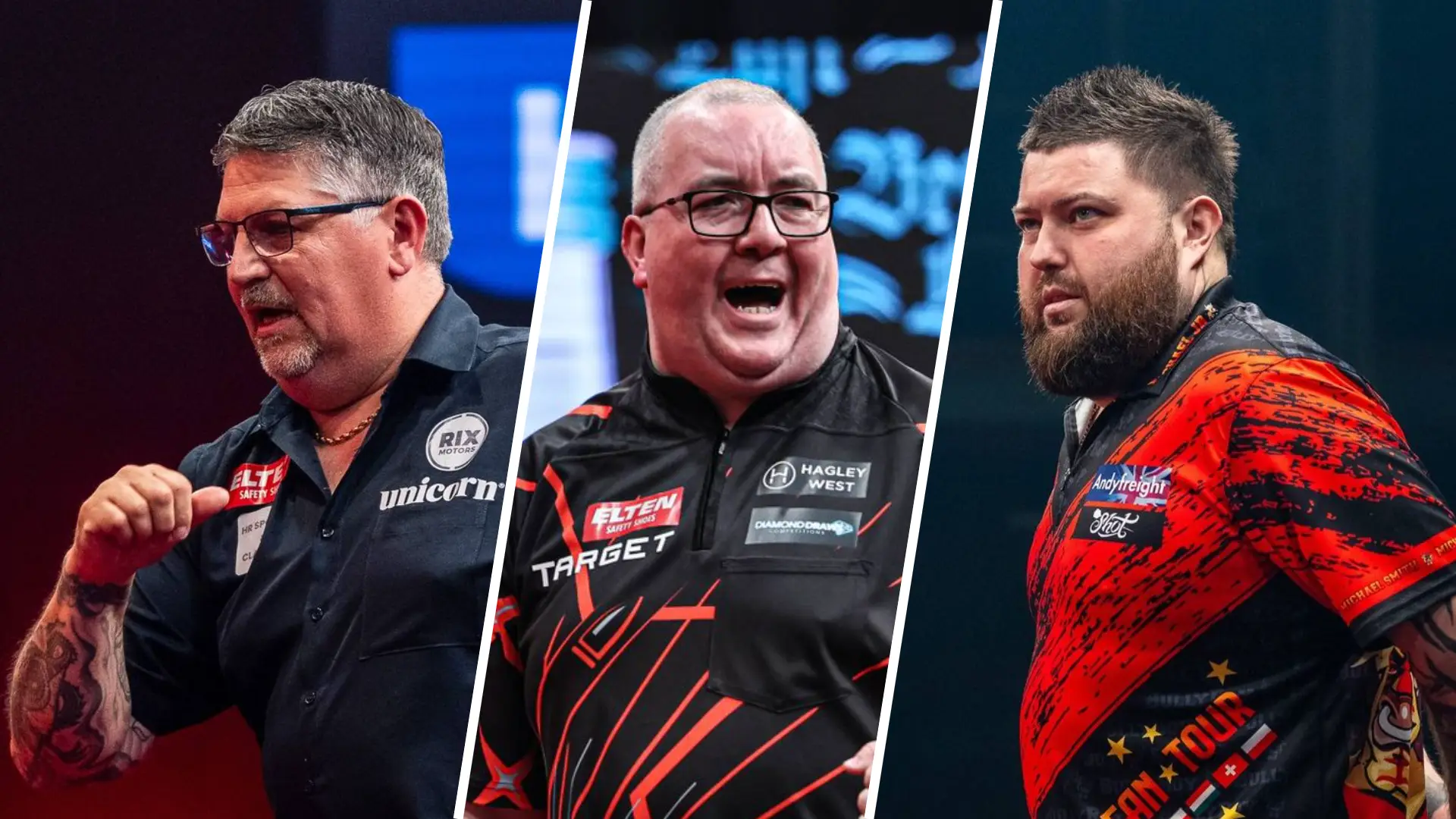
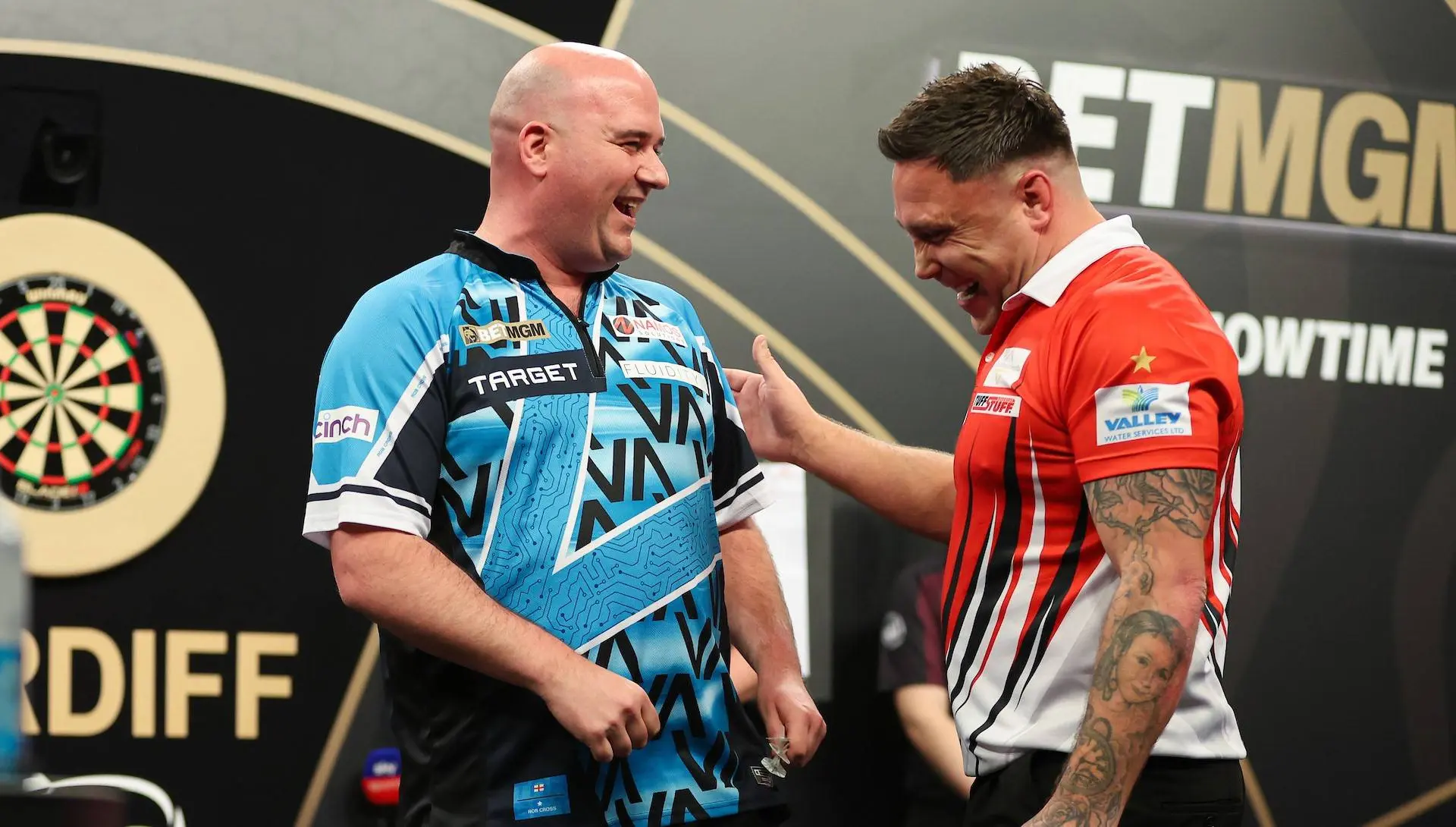

The 35-year-old Aspinall has enjoyed his share of success too. The Asp won the German Darts Grand Prix in early April and remains a player to watch when he is at his best. The Englishman will surely be aiming for a major title again this autumn.
With Van Gerwen, Humphries, Smith and Aspinall among them, the middle generation is far from finished. They have the experience to hold off the young talent, but know the competition is growing stronger. The European Championship will be an intriguing measure of their standing: can this generation make its mark on another major, or will the young players continue to take control?

Samuel GillChief Content Officer
Samuel Gill is the Chief Content Officer (CCO) of DartsNews.com, a role he has held since 2020. He is responsible for editorial governance across the platform, including setting content standards, overseeing accuracy and consistency, and guiding long-term editorial strategy across professional darts coverage. Since joining, he has contributed more than 10,000 articles and editorial pieces, playing a central role in the development and daily operation of the site.
Based in Leicester, Samuel has extensive experience in darts media and has been closely involved in coverage of the professional darts circuit for several years. Within the UK darts community, he is a recognised figure known for his consistent editorial output and ongoing reporting on major tournaments and developments across the PDC calendar.
In his current role, Samuel works closely with editors and writers to ensure content meets clear journalistic standards, with a focus on source verification, editorial consistency, and timely updates when new, confirmed information becomes available.
claps 0visitors 0
Just in

Popular news
Latest comments
- I agree,I can't believe the lack of coverage of this sad loss. Always enjoyed watching him,but I guess now it's all about littler,well it seems that way. Darts has sadly lost a good manrick6717-10-2026
- In the absence of a report regarding the death of Stefan Lord, I'll assist. An excellent player in the late 70s and early 80s, he actually won the now defunct 3rd place match at two World Championships and a couple of the News of the World Championships. A fabulous player and easily the best Swedish player ever. Rest peacefully Stefan.richieburnettrocks16-10-2026
- Joking aside, it is the second most watched sport on sky (more than golf, F1 etc) behind football only, and in participation is second to only football and swimming. It doesn't get the attention or sponsorship of "bigger" sports because it's not as sexy, but it's right up there.BandB13-10-2026
- i love darts but you can't seriously believe it's the second most popular sport in the uk. even top five is pushing it. it may be the fastest growing, though.colt13-10-2026
- I'm a big Clayton fan, but he's got this completely wrong. Qualification criteria exists for a reason - so just as failing to make the top 32/64 for the Euro championships/PT Finals means you miss out, so does not lifting a title for this one.26sForFun12-10-2026
- The players who deliberately slow the game down are usually boring and win very little in the way of silverware. Horrible to watch.MrYnyslas197112-10-2026
- [“The Gentle” then used a sweeping and questionable phrase...] You anglocucks are hilariously finished in every sense of the word.Critical99911-10-2026
- I love Jonny but I disagree. The Grand Slam was always supposed to be "champion of champions" type competition. If the top 16 are guaranteed participation in everything there will be so much less jeopardy involved in qualifying and each major tournament will lose its unique flavour which the PDC has worked hard trying to develop. I enjoy following the qualification races towards the end of the year, and while consistency should have its rewards, the truth is Jonny hasn't reached a major final all year or won a single event on the Pro Tour. Being consistent is one thing, but that alone should have consequences as the sport's elite should not be prepared to accept consistently strong performances, their foremost motivation should be to win and this should be what separates them from the rest, not the consistency of their performances. Jonny is expecting that losing should be enough; it shouldn't be, at least not as far as the Grand Slam is concerned.Deduce635811-10-2026
- Well being honest,it doesn't matter what level you play at, there's always someone who slows it down to suit themselves,and extra swig of water, replacing flights, asking the ref what the score is. It happens wherever. I'm not saying it's professional,but I'm sure we've all seen it beforerick6711-10-2026
- Agree completely. Not sure how a ranking event can have a criteria not based on rankings. And he right on popularity. In the UK second only to football.BandB11-10-2026
Loading