The Psychology of the Quick Hit: Why Fast-Action Games Appeal to Darts Players and Fans
OtherMonday, 11 August 2025 at 11:55
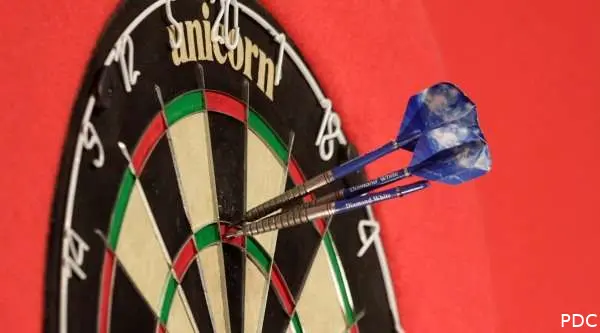
In professional darts,
the pressure can mount quickly. Matches often come down to a single checkout or
a rapid shift in momentum. That demand for sharp reactions and quick decisions
has created a natural crossover between darts and another fast-paced pastime:
digital games designed for instant results. While the stage may be different,
the appeal is the same: short bursts of high-stakes action. Whether you're
standing at the oche or tapping your screen during a break, there’s a shared
buzz that draws both players and fans toward quick-hit formats.
ADVERTISEMENT
The Appeal of Speed and Risk
Games that require a fast decision and carry a clear reward pattern have long appealed to competitive minds. The Aviator game, for example, has become popular among those who enjoy quick, suspense-filled action. In this game, the longer you wait, the higher the multiplier climbs, but there's always a crash coming. The timing of the “cash out” decision is key, and that makes it relatable to those who follow darts closely. It's the kind of game that thrives on timing, risk tolerance, and gut feeling, all of which darts fans understand.
It’s not just about the action. These games offer something familiar: moments of decision that feel important. When a player stands at the oche needing a 96 finish and chooses to split it 60-36 instead of going straight for a treble, there’s a similar tension. Will it pay off, or go wrong in an instant?
Matching Mental Habits
Darts players train their minds to react quickly under
pressure. They visualize outcomes, pre-load possible throws, and stay flexible.
Fast-action games feed the same instincts. They offer controlled bursts of
adrenaline in a way that mirrors the tempo of professional matches.
Even fans watching from
home get caught up in the rhythm. A break in play or a long walk-on is enough
time to open an app, spin a few rounds, or make a quick decision that feels
like a mini contest of its own. It’s a microdose of the same drama they tune in
for every week.
That habit, reacting
fast, managing risk, and staying sharp, is what makes these games appealing.
They tap into a mindset familiar to anyone who's stood three darts away from a
comeback.
ADVERTISEMENT
Focused Distraction
For many players, the
hours before a televised match are filled with nerves. Staying too locked in
can be just as risky as losing focus. That’s why some turn to small
distractions that don’t require deep thinking. Quick games, sports scores, or
puzzle apps help take the edge off.
It’s not surprising that
something like Aviator or similar crash-style games find a home on players’
phones or tablets. They’re easy to pick up, play for a moment, then set aside.
There’s no deep storyline, no need to strategize for hours. Just a quick dose
of tension and release, exactly what a competitor might need in the quiet
before the lights come up.
From the Practice Board to the Phone
The psychology of performance often comes down to habits.
Darts players rehearse their throws thousands of times, but they also manage
their energy, attention, and nerves in countless small ways. Fast-action games
have become part of that toolkit for some. It’s not about chasing wins on a
screen. It’s about matching tempo, finding focus, and feeding the part of the
brain that loves a well-timed hit.
ADVERTISEMENT
claps 0visitors 0
Just in




Popular news


Latest comments
- I think you miss the point. It is just a poll if you are willing to pay for an ad-free site. The content stays free.SheGotLegs16-08-2026
- It's great to see Mark Webster looking well,he's a top ladrick6715-08-2026
- I'm sick of everything wanting paying for ad free stuff,every site you go on,it's pay pay for no ads. I mostly dread picking my phone up,as it's subscription required. I'm not surprised I'm bloody skint. Everyone wants to rob you for services that were freerick6714-08-2026
- I didn't like the bloke,but he was a real wind up merchant. His talent is wastedrick6712-08-2026
- He wouldn't get a tour card if there was a million on it
 Amusementman09-08-2026
 - This gormless, dull as dishwater nobody hasn't done anything this year and has absolutely no right to be considered for anything other than checking people's tickets on entry and it is likely he couldn't cope with that.richieburnettrocks09-08-2026
- How can PDC players play in streamed events?medinabello04-08-2026
- Great comment, some of the matches were a bit one sided but that was more to do with the quality on show.mikedarts03-08-2026
- I just think Aspinall loves the razzmatazz rather than real darts, goes on about his walk on and the premier league, loves exhibitions and proposed a 'royal rumble' and i'm not sure if it was him that suggested a Ryder Cup style tournament? I think they do need to look at how the ranking tournaments are treated, the UK Open, Euro Championships, Players' Championship all shoe-horned into four or so days rather than lasting all week and giving more players a chance to be on the big stage.Baphomet03-08-2026
- I play at home against myself, sometimes on Dartcounter, never played league or county. My best average on 501 was 107 which I hit last year. Today I was averaging 94 on a few games of 501, no warm up, just a quick chuck after dinner. I imagine it's a bit different up on stage. I play well at home though and do pretty good for only around 20 minutes play per day. 🙂PaulC02-08-2026
Loading