“100,000 percent a 147” – Luca Brecel believes a nine-darter is easier than a maximum break in snooker
PDC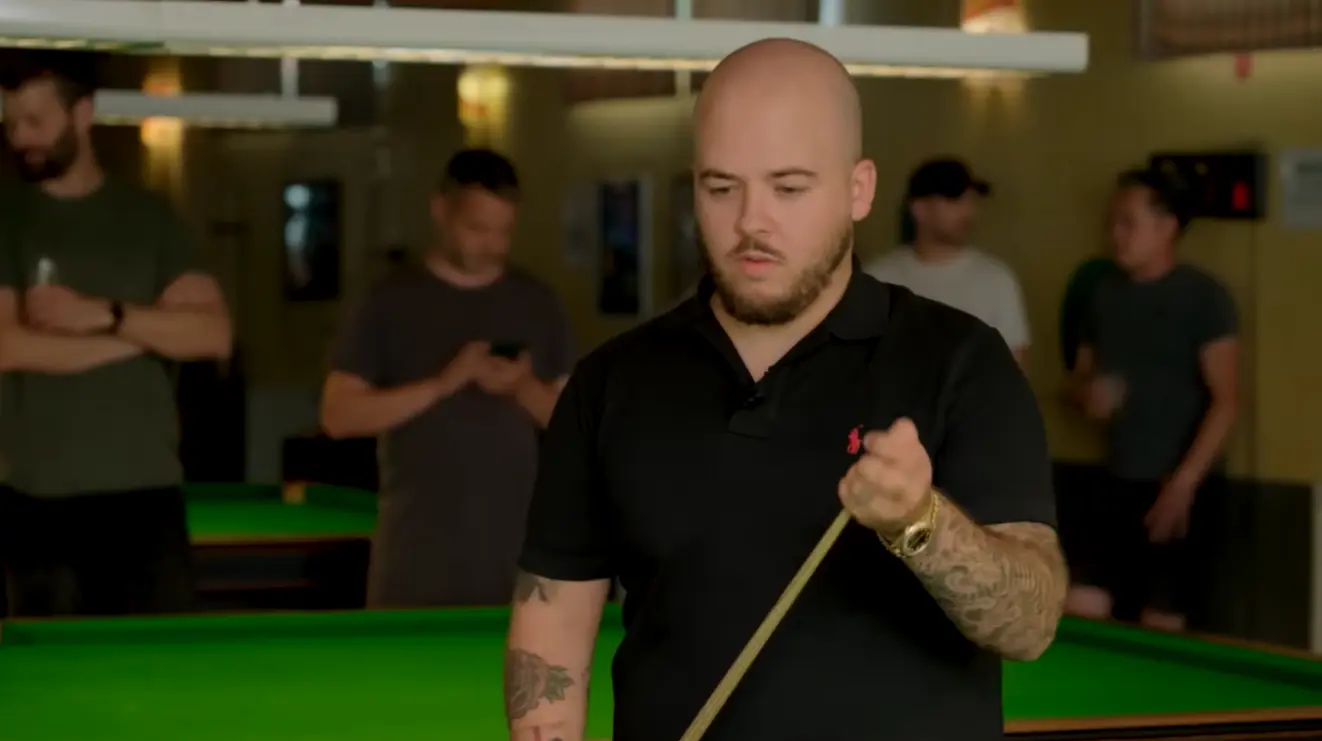
At first glance, snooker and darts seem like two completely different worlds. Where snooker revolves around finesse on a large table with complex patterns, darts appears to be a straightforward precision sport on a board. Yet the similarities are greater than many think. Both disciplines demand extreme accuracy, nerves of steel, and sharp strategic insight. But the ultimate question remains: what is actually harder – a maximum 147 break in snooker or a nine-darter in darts?
ADVERTISEMENT
Former snooker world champion
That question was recently put to Belgian snooker player Luca Brecel, who, alongside his snooker career, is also a big darts enthusiast. His answer was strikingly emphatic: “100,000 percent a 147.” With that, he takes a clear position in a debate that has been running among sports fans for years.
Brecel, snooker world champion in 2023, stated in an interview with Sportnieuws.nl that his passion for darts runs deep. “Even bigger than snooker. I watch everything and I also play almost daily myself. So yes: a big passion,” he said. That makes his opinion all the more interesting, because he doesn’t speak as an outsider. On the contrary, he knows exactly what it takes to perform at a high level in both sports.
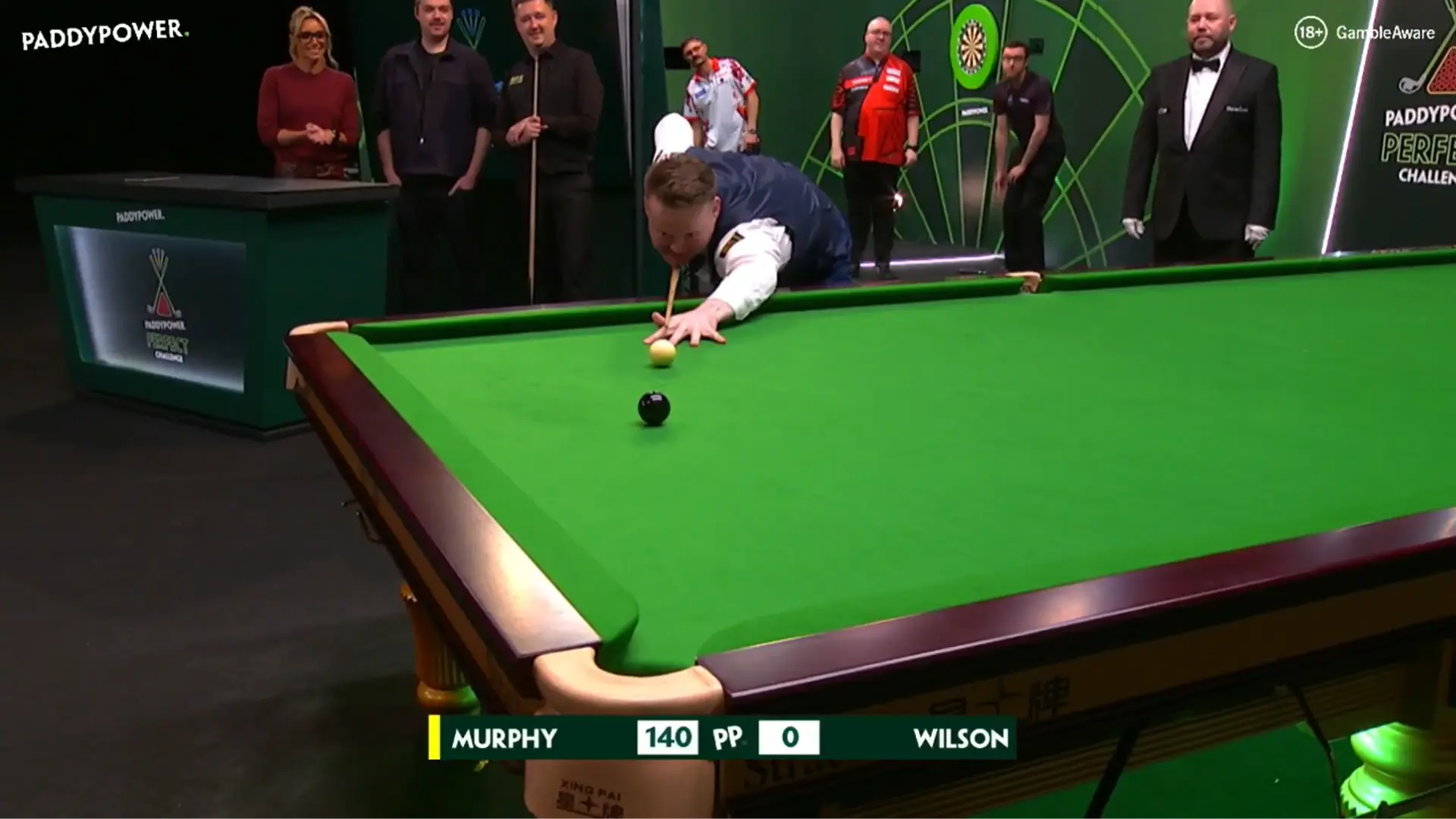
To properly understand the comparison, it’s important to examine both achievements. A 147 in snooker – the maximum break – means a player pots all fifteen reds, each followed by the black, and then all the colours in the correct order. In total, it involves 36 perfect shots in a row, where not only potting matters, but cue ball positioning is crucial. One small positional error can derail the entire attempt. The fastest maximum break ever in competition was made by Ronnie O'Sullivan, who in 1997 took exactly 5 minutes and 8 seconds to clear the table.
Opposite that stands the nine-darter in darts: the perfect leg in which a player checks out 501 in just nine darts. This requires consistently hitting trebles, usually treble 20, and a flawless checkout. It’s an explosive achievement where everything must come together perfectly in a short burst.
Brecel, who also regularly throws a few darts himself, has a clear view on it. “With the first nine darts my average is around 70 to 75, which is quite good for an amateur,” he says. Yet he realises better than anyone how big the step to absolute perfection is. “In darts you can be done in nine darts, but in snooker you have to stay error-free for much longer. That makes it mentally tougher.”
ADVERTISEMENT

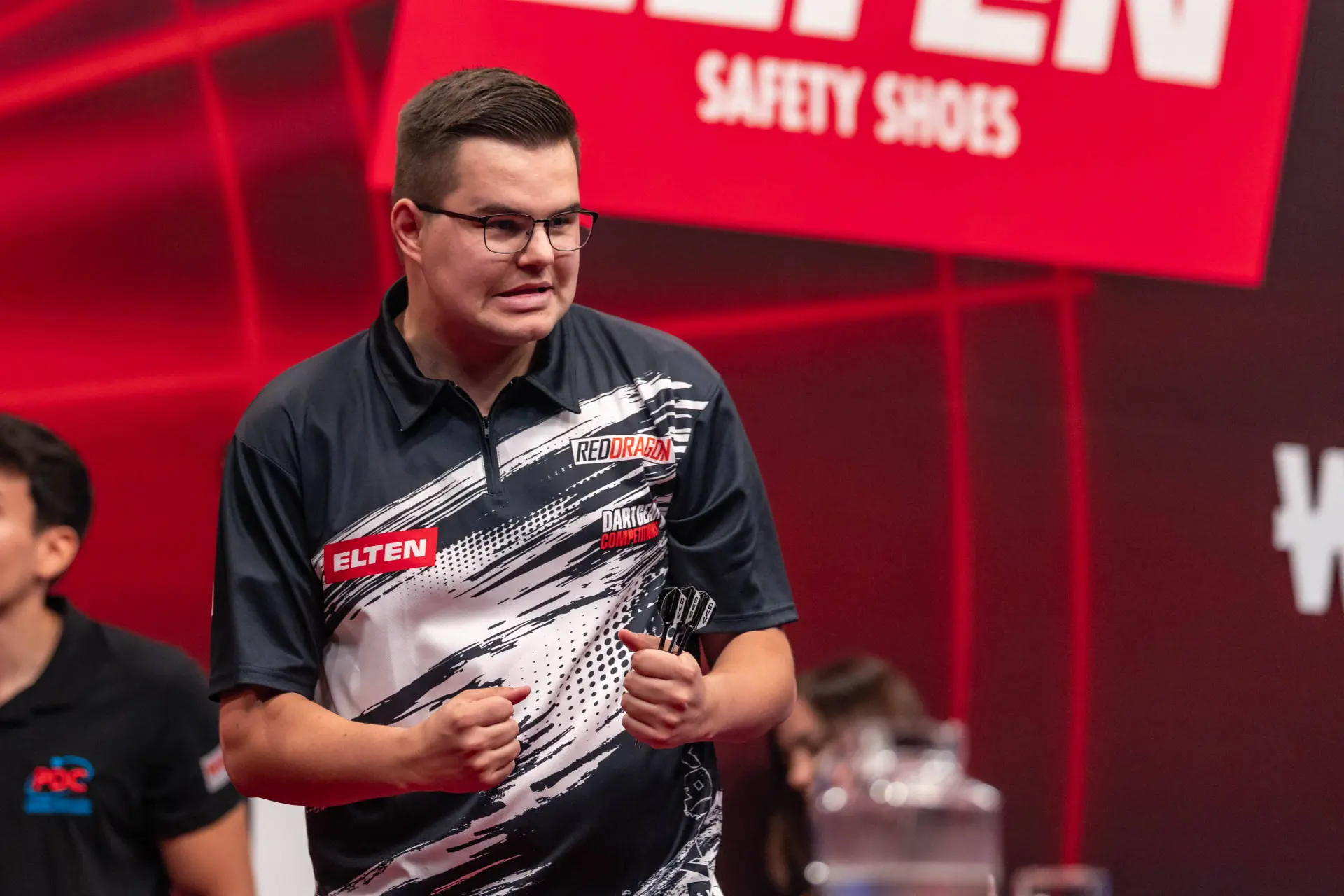
Michael van Gerwen has thrown multiple nine-darters at major tournaments
A key difference indeed lies in the duration and complexity of the feat. Where a darter needs nine perfect throws, a snooker player must execute a long sequence of decisions and technical actions without error. The variability of the table also plays a role: no situation is the same, making improvisation and forward thinking essential.
“The pressure on stage is enormous”
That said, a nine-darter is certainly not ‘easy’. On the contrary. At the highest level, under the pressure of a packed arena and millions of viewers, hitting multiple trebles in succession is a world-class performance. “The pressure on stage is enormous,” said Brecel. “But in snooker you have to withstand that pressure for much longer.”
Interestingly, nine-darters have become more common in recent years than maximum breaks in snooker. That’s partly due to the growth and professionalisation of darts, which has massively raised the overall standard. More players are posting higher averages, increasing the chance of a perfect leg.
ADVERTISEMENT
Even so, the 147 break remains for many the ultimate test of complete mastery. It’s not only a matter of technique, but also of patience, planning, and mental resilience. Every ball is a new challenge, every position a new puzzle.
The conclusion? While both achievements are exceptional and represent the absolute elite level, the 147 break seems to demand just that bit more. More steps, more variables, and a longer stretch of perfection make it, according to experts – and according to Brecel – the tougher task.
But perhaps that’s exactly what makes this debate so compelling. Because whether you favour the elegance of snooker or the intensity of darts, one thing is certain: perfection is rare in both sports – and all the more impressive because of it.

Samuel GillChief Content Officer
Samuel Gill is the Chief Content Officer (CCO) of DartsNews.com, a role he has held since 2020. He is responsible for editorial governance across the platform, including setting content standards, overseeing accuracy and consistency, and guiding long-term editorial strategy across professional darts coverage. Since joining, he has contributed more than 10,000 articles and editorial pieces, playing a central role in the development and daily operation of the site.
Based in Leicester, Samuel has extensive experience in darts media and has been closely involved in coverage of the professional darts circuit for several years. Within the UK darts community, he is a recognised figure known for his consistent editorial output and ongoing reporting on major tournaments and developments across the PDC calendar.
In his current role, Samuel works closely with editors and writers to ensure content meets clear journalistic standards, with a focus on source verification, editorial consistency, and timely updates when new, confirmed information becomes available.
claps 0visitors 0
Just in


Popular news

Latest comments
- I agree,I can't believe the lack of coverage of this sad loss. Always enjoyed watching him,but I guess now it's all about littler,well it seems that way. Darts has sadly lost a good manrick6717-10-2026
- In the absence of a report regarding the death of Stefan Lord, I'll assist. An excellent player in the late 70s and early 80s, he actually won the now defunct 3rd place match at two World Championships and a couple of the News of the World Championships. A fabulous player and easily the best Swedish player ever. Rest peacefully Stefan.richieburnettrocks16-10-2026
- Joking aside, it is the second most watched sport on sky (more than golf, F1 etc) behind football only, and in participation is second to only football and swimming. It doesn't get the attention or sponsorship of "bigger" sports because it's not as sexy, but it's right up there.BandB13-10-2026
- i love darts but you can't seriously believe it's the second most popular sport in the uk. even top five is pushing it. it may be the fastest growing, though.colt13-10-2026
- I'm a big Clayton fan, but he's got this completely wrong. Qualification criteria exists for a reason - so just as failing to make the top 32/64 for the Euro championships/PT Finals means you miss out, so does not lifting a title for this one.26sForFun12-10-2026
- The players who deliberately slow the game down are usually boring and win very little in the way of silverware. Horrible to watch.MrYnyslas197112-10-2026
- [“The Gentle” then used a sweeping and questionable phrase...] You anglocucks are hilariously finished in every sense of the word.Critical99911-10-2026
- I love Jonny but I disagree. The Grand Slam was always supposed to be "champion of champions" type competition. If the top 16 are guaranteed participation in everything there will be so much less jeopardy involved in qualifying and each major tournament will lose its unique flavour which the PDC has worked hard trying to develop. I enjoy following the qualification races towards the end of the year, and while consistency should have its rewards, the truth is Jonny hasn't reached a major final all year or won a single event on the Pro Tour. Being consistent is one thing, but that alone should have consequences as the sport's elite should not be prepared to accept consistently strong performances, their foremost motivation should be to win and this should be what separates them from the rest, not the consistency of their performances. Jonny is expecting that losing should be enough; it shouldn't be, at least not as far as the Grand Slam is concerned.Deduce635811-10-2026
- Well being honest,it doesn't matter what level you play at, there's always someone who slows it down to suit themselves,and extra swig of water, replacing flights, asking the ref what the score is. It happens wherever. I'm not saying it's professional,but I'm sure we've all seen it beforerick6711-10-2026
- Agree completely. Not sure how a ranking event can have a criteria not based on rankings. And he right on popularity. In the UK second only to football.BandB11-10-2026
Loading