"I thought it was disrespectful" - Sky Sports experts slam James Wade after World Matchplay final
PDC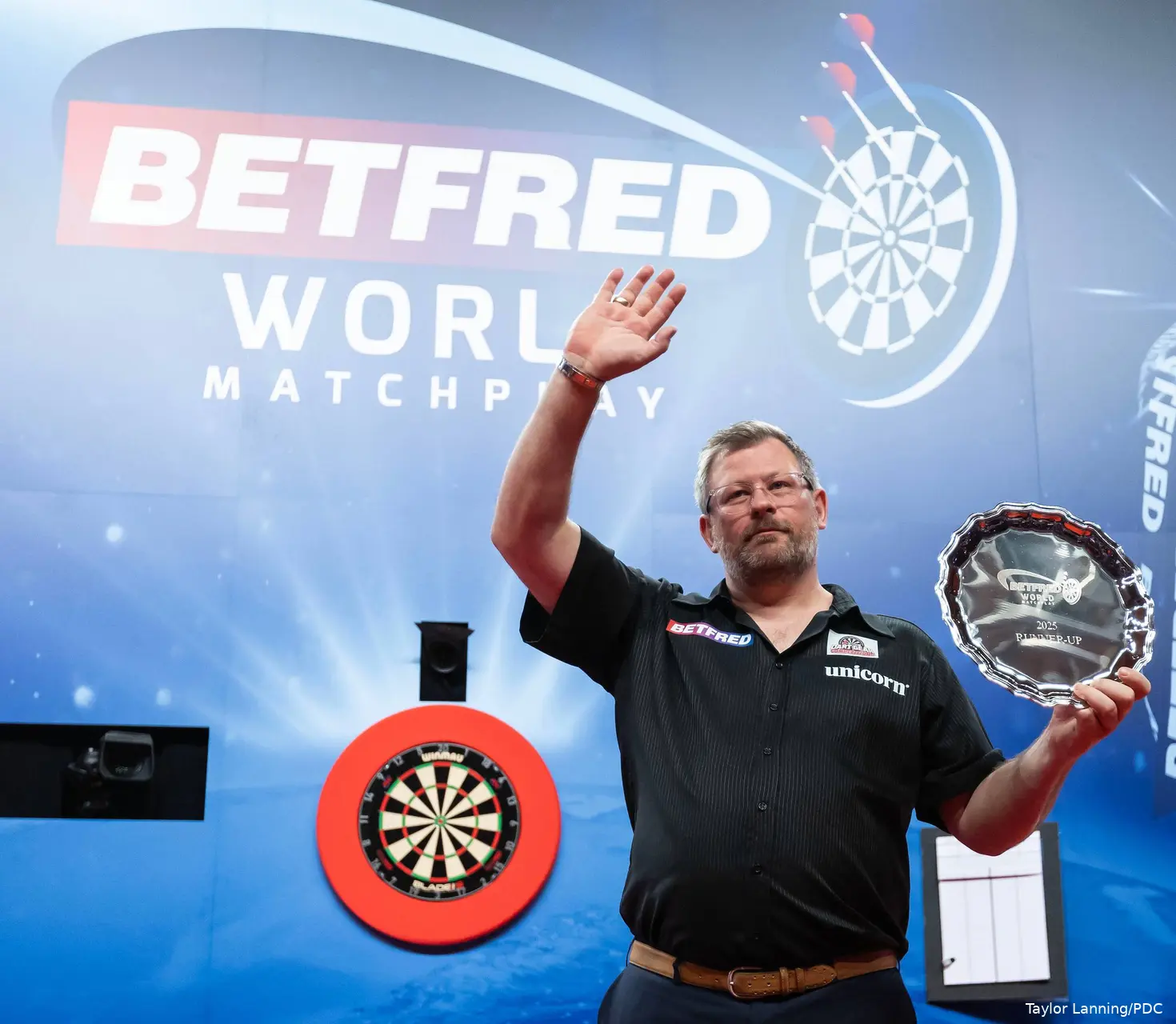
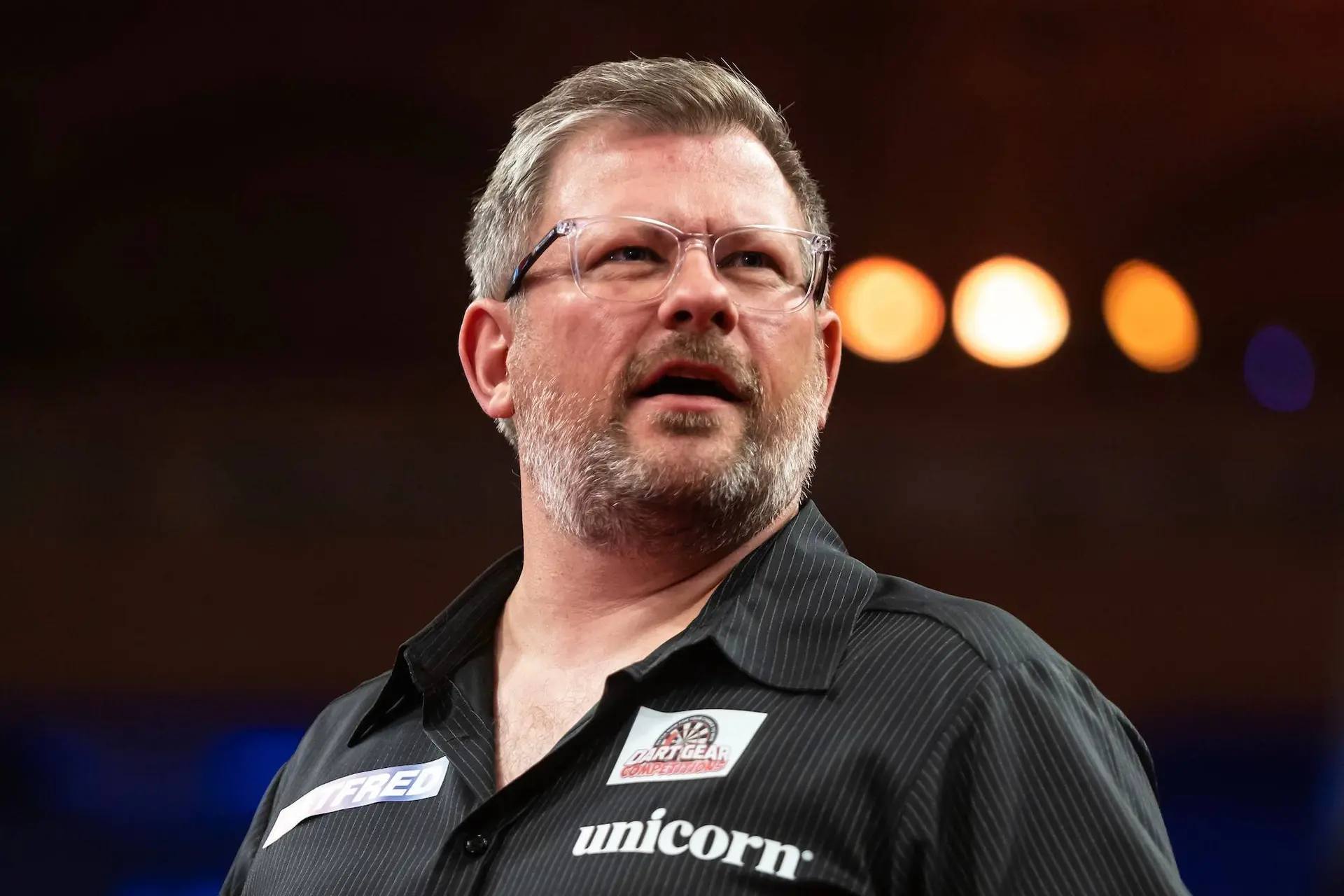
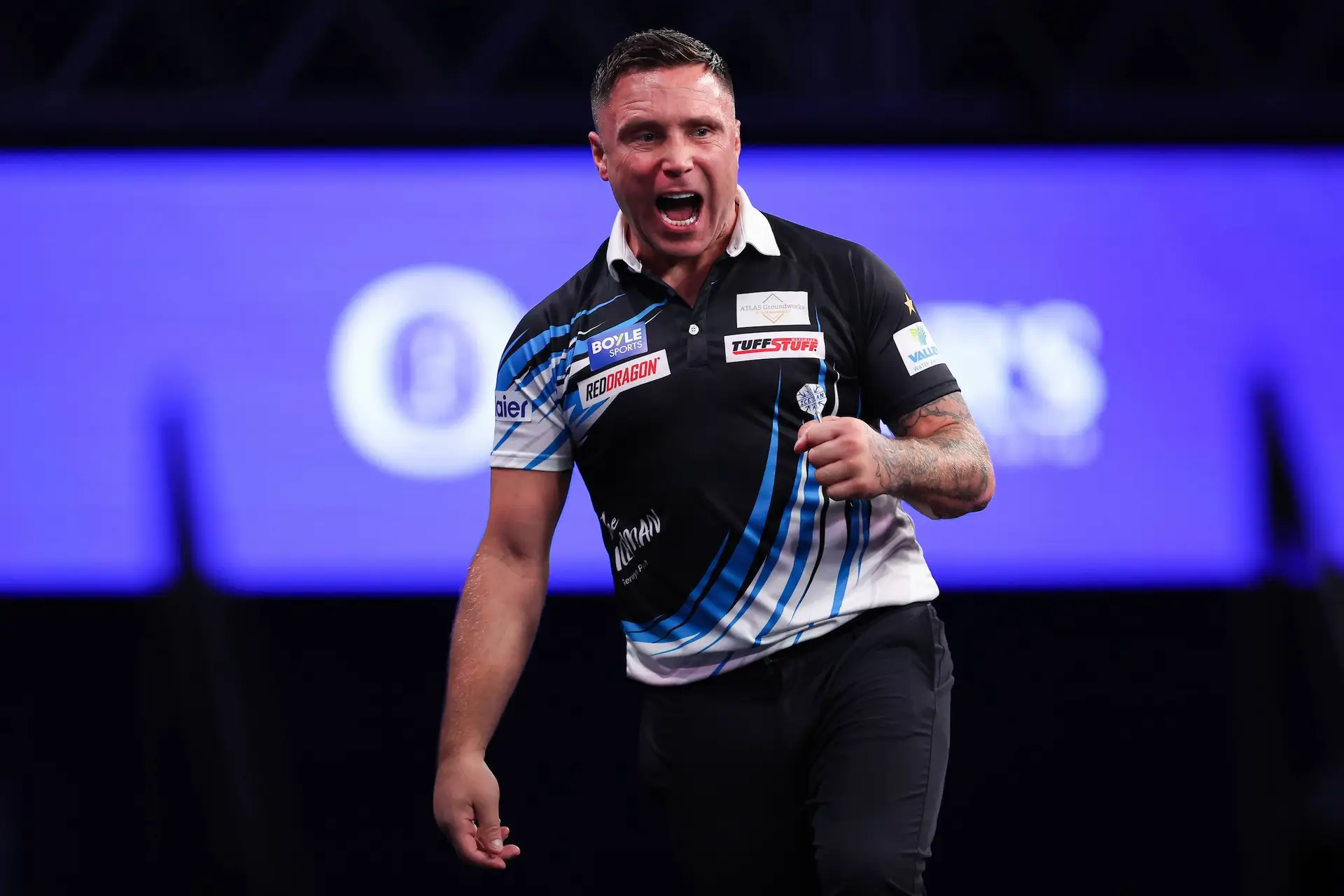
James Wade has come under
fire for his behaviour in the aftermath of the 2025 World Matchplay final,
where he was defeated 18–13 by Luke Littler. The controversy stems not from his
performance on the oche, but from what he did immediately after the final dart
was thrown.
ADVERTISEMENT
Rather than staying on stage to congratulate the new champion or
take part in the customary Sky Sports interview, Wade exited quickly, leaving
Littler to lift the trophy alone. For many fans and pundits, the move crossed a
line.
On the most recent episode of Sky Sports' Love the Darts podcast, Michael Bridge and commentator Chris Murphy didn’t agree with Wade’s
actions. They labelled it as “disrespectful,” not only to Littler but also to
the fans watching at home and the sport’s traditions. "I got it clarified that there was no issues with Luke or the crowd or anything like that," Bridge explains. "He was just angry at himself. Which is fine, but we would have liked to have heard from him."
While there’s no formal
obligation for the runner-up to stay on stage, it’s long been an unwritten rule
of sportsmanship. "I thought it was disrespectful for him not to be on the stage at the end," Murphy assesses. "Whether he does an interview or not is up to him, but not to be there when Luke is recieving the trophy, that is disrespectful. Just stand there for a minute and applaud, and then say 'I don't want to talk'."
Read also
The incident sparked a
significant reaction online, with many fans echoing the sentiment. Viewers
pointed out that Wade left before Littler even lifted the trophy, calling it ‘poor
form’ and ‘not what you want to see in a major final’. It wasn’t just about one
missed interview, it was the overall tone it set. At a moment meant to
celebrate a historic win for Littler, the absence of the runner-up felt
jarring.
Adding context doesn’t
necessarily excuse the moment, but it does help explain it. Wade had just come
through a gruelling semi-final against Jonny Clayton, surviving a late comeback
to edge the match 20–18. The game took a lot out of him, both physically and
mentally. In a raw, expletive-laced press conference following that
semi-final, Wade openly admitted to Dartsnews.com and others that he was “knackered”. He even described himself
as “done” and “absolutely shattered,” hinting that he didn’t know if he could
handle another game of that intensity.

Wade edged Clayton in a thriller
ADVERTISEMENT
Even so, Bridge and Murphy
made the case that emotion can’t entirely excuse what unfolded. In a
high-profile event like the World Matchplay final, where millions are watching,
decorum matters. By leaving the stage early, Wade denied fans the full picture
and failed to acknowledge Littler’s incredible achievement, an 18-year-old
winning one of darts’ most prestigious events.
"There's a serious side with James of course, we know about his mental health and his mental illnesses that he suffers with and that he's trying to combat all the time, but I think he maybe needs a little bit of guidance and support with that," Murphy says. "If he's not up to doing a press conference straight after a match, maybe he should be approaching the PDC and asking about facilitating his press conference when he returns for the next round in a better frame of mind."
"I do have sympathy, but it's not helping him. It's not helping anyone to deliver him in that way," Murphy adds. "Maybe he'd be better off being a bit quiet, getting his head down and just doing what he did on stage and not constantly assuming this mentality of 'everybody hates me, no one talks about me'. All week, all I heard was James Wade is one of the greatest players that has ever played this game and how well he's playing."
Interestingly, Littler
himself appeared unbothered. In his own post-match comments, he revealed that
Wade had been supportive behind the scenes in the build-up to the final. Wade
had even offered him advice the night before, which Littler took to heart and
seemed to appreciate the honesty.
Whether Wade will respond
publicly or reflect differently in the future remains to be seen. For now,
though, the criticism continues, and the conversation around sportsmanship in
darts has a new focal point.
ADVERTISEMENT
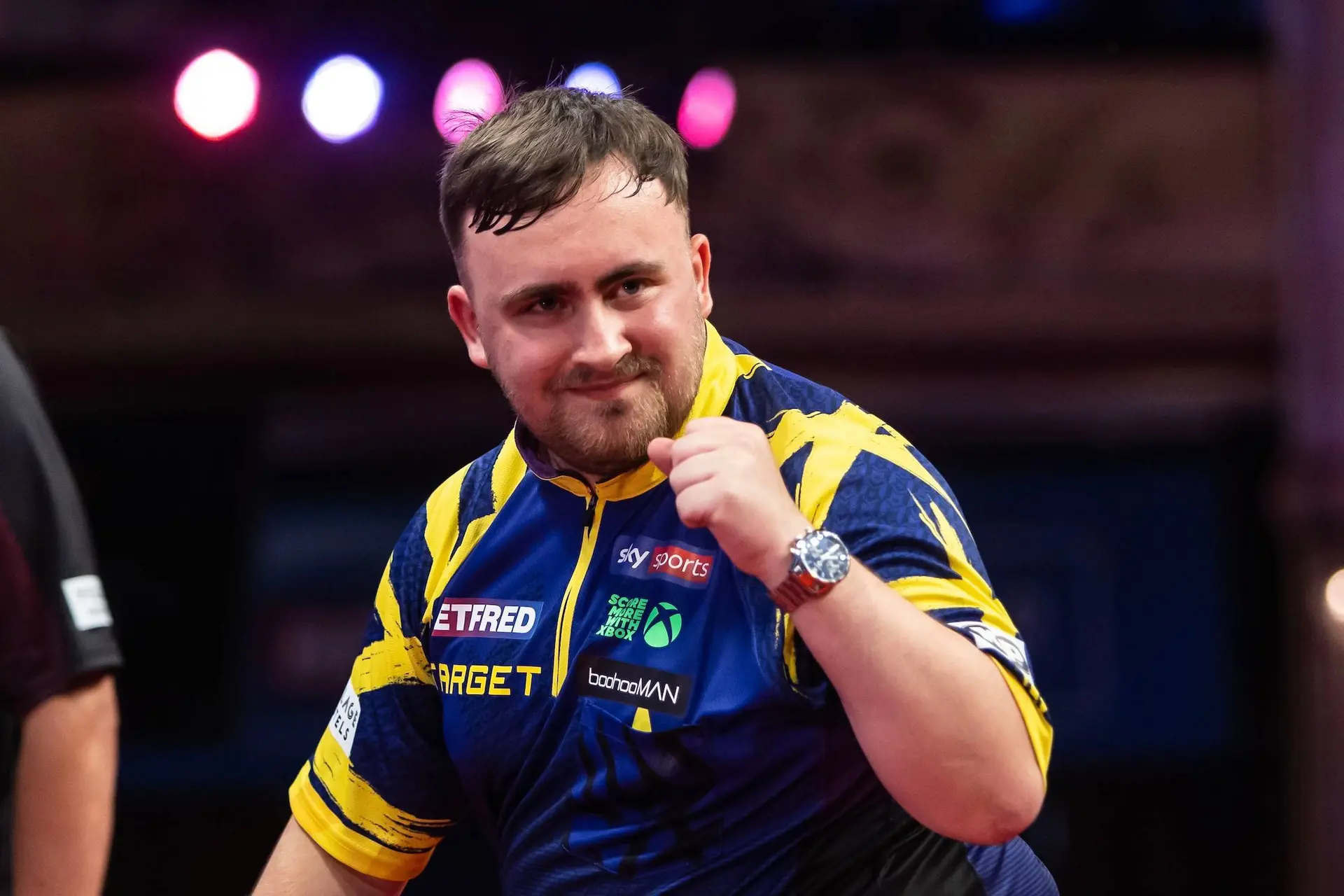
LUKE LITTLER WINS THE 2025 WORLD MATCHPLAY AND COMPLETES THE TRIPLE CROWN! 👑👑👑 pic.twitter.com/HvUI6tcrG7
— Sky Sports Darts (@SkySportsDarts) July 27, 2025
Connor Prescott, a rising sports journalist contributing to both DartsNews.com and Tennisuptodate.com, two respected independent platforms in the world of digital sports media. Having recently graduated with a degree in Sports Journalism, i bring a fresh, informed perspective to the field showing a combination academic training with real-world experience.
At DartsNews.com and Tennisuptodate.com, i play a role in producing engaging and factual content. My work consists of breaking news, feature writing, player interviews, and live blogs, helping to ensure both platforms remain trusted sources for fans around the world.
With a background that also includes experience in covering basketball, football and darts i have developed a well-rounded understanding of the broader sports media landscape. I have a passion for storytelling, and a willingness to learn and grow make me an emerging voice in modern sports journalism.
claps 3visitors 3
Just in
Popular news
Latest comments
- I agree,I can't believe the lack of coverage of this sad loss. Always enjoyed watching him,but I guess now it's all about littler,well it seems that way. Darts has sadly lost a good manrick6717-10-2026
- In the absence of a report regarding the death of Stefan Lord, I'll assist. An excellent player in the late 70s and early 80s, he actually won the now defunct 3rd place match at two World Championships and a couple of the News of the World Championships. A fabulous player and easily the best Swedish player ever. Rest peacefully Stefan.richieburnettrocks16-10-2026
- Joking aside, it is the second most watched sport on sky (more than golf, F1 etc) behind football only, and in participation is second to only football and swimming. It doesn't get the attention or sponsorship of "bigger" sports because it's not as sexy, but it's right up there.BandB13-10-2026
- i love darts but you can't seriously believe it's the second most popular sport in the uk. even top five is pushing it. it may be the fastest growing, though.colt13-10-2026
- I'm a big Clayton fan, but he's got this completely wrong. Qualification criteria exists for a reason - so just as failing to make the top 32/64 for the Euro championships/PT Finals means you miss out, so does not lifting a title for this one.26sForFun12-10-2026
- The players who deliberately slow the game down are usually boring and win very little in the way of silverware. Horrible to watch.MrYnyslas197112-10-2026
- [“The Gentle” then used a sweeping and questionable phrase...] You anglocucks are hilariously finished in every sense of the word.Critical99911-10-2026
- I love Jonny but I disagree. The Grand Slam was always supposed to be "champion of champions" type competition. If the top 16 are guaranteed participation in everything there will be so much less jeopardy involved in qualifying and each major tournament will lose its unique flavour which the PDC has worked hard trying to develop. I enjoy following the qualification races towards the end of the year, and while consistency should have its rewards, the truth is Jonny hasn't reached a major final all year or won a single event on the Pro Tour. Being consistent is one thing, but that alone should have consequences as the sport's elite should not be prepared to accept consistently strong performances, their foremost motivation should be to win and this should be what separates them from the rest, not the consistency of their performances. Jonny is expecting that losing should be enough; it shouldn't be, at least not as far as the Grand Slam is concerned.Deduce635811-10-2026
- Well being honest,it doesn't matter what level you play at, there's always someone who slows it down to suit themselves,and extra swig of water, replacing flights, asking the ref what the score is. It happens wherever. I'm not saying it's professional,but I'm sure we've all seen it beforerick6711-10-2026
- Agree completely. Not sure how a ranking event can have a criteria not based on rankings. And he right on popularity. In the UK second only to football.BandB11-10-2026
Loading