“Negativity sells more than positivity” - Matthew Edgar takes aim at clickbait and distortion in modern darts
PDC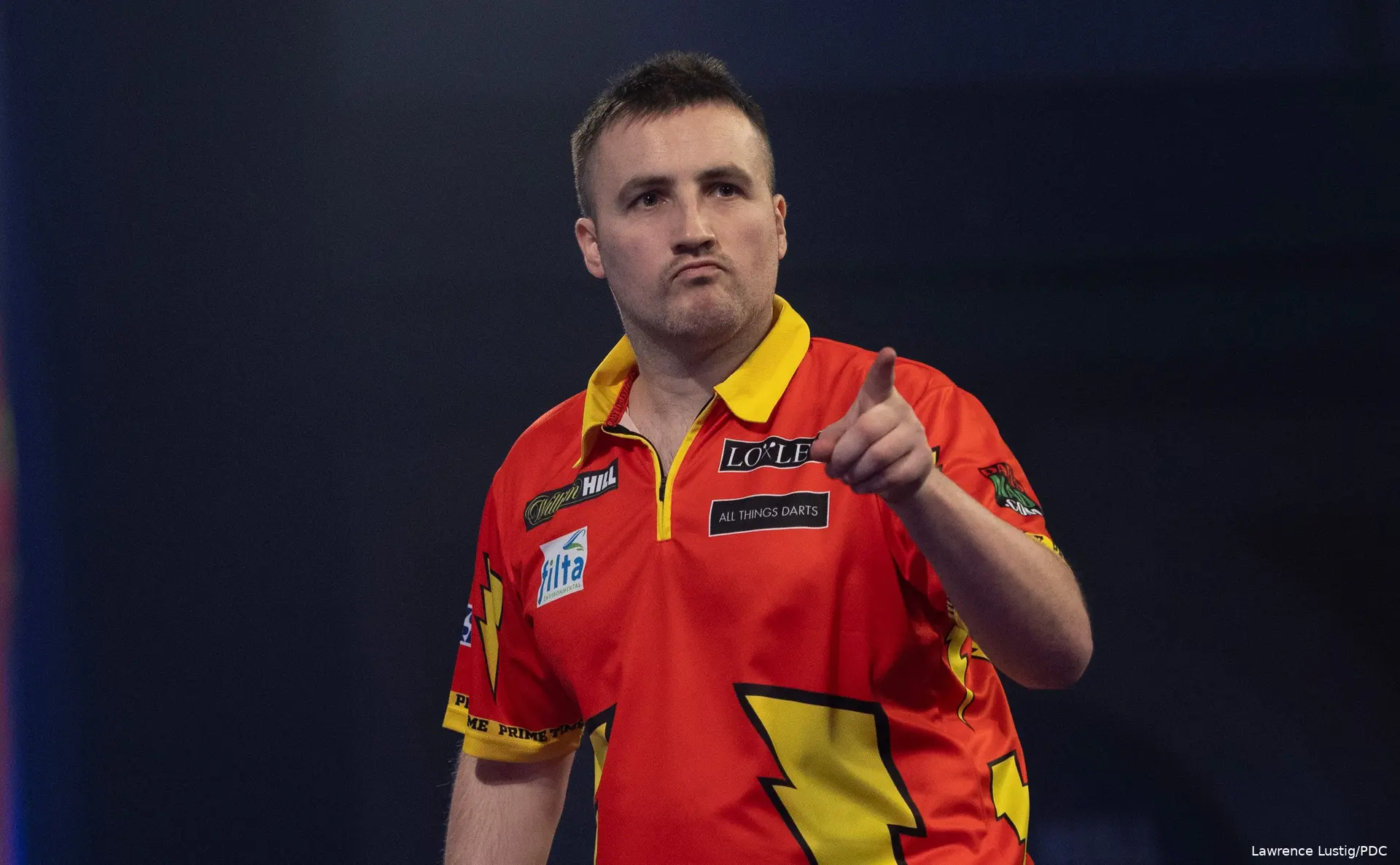
In the modern world of darts, it is no longer just about trebles and doubles. The sport continues to grow, professionalise and reach a wider audience than ever before. But that rise has brought complications too.
ADVERTISEMENT
In a candid conversation with Online Darts, former professional turned coach and analyst Matthew Edgar offered a clear-eyed assessment of where darts media currently stands, and he did not hold back.
Coaching boom reflects rising standards
Edgar now operates across multiple roles within the sport, and he is seeing its evolution up close. Not all of it, he admits, is positive. “The start of this year has been crazy. Coaching’s gone through the roof,” he explained.
Where coaching was once largely associated with beginners, Edgar now sees a shift across the board. Players at every level, from grassroots amateurs to professionals, are investing in improving their game.
That, in itself, says a lot about the current level of darts. Standards are higher than ever, and the margins are increasingly fine. For Edgar, it has also meant adjusting his own workload. “You may not see me as much out there doing the punditry side… I’ve just narrowed the other bits down a little bit because the backlog is mad. I’m still fully booked for a few months.”

Debate turns personal in modern media landscape
ADVERTISEMENT
The conversation soon turned to a recent media storm, sparked by content creator Charlie Murphy suggesting that Luke Humphries was not the current world number two, a comment that quickly escalated online.
Edgar followed the situation closely, not to join the debate, but to understand it. “One thing I’ll say straight away is I didn’t like how personal it got towards Charlie Murphy. There were a lot of personal, derogatory comments thrown his way for what was essentially just an opinion he had at the time.”
For Edgar, disagreement is part of the sport. Rankings, performances and form are constantly debated, and rightly so. “It’s okay to believe that… but that’s the point — you need those things to back up that argument.”
He points out that alternative views are common, with players like Gerwyn Price and Gian van Veen often mentioned in similar discussions. The issue, in his view, is not the opinion itself, but how it is presented. “If you believe that, just back it up… and then you’ve opened a debate.”
Clickbait culture distorting the narrative
ADVERTISEMENT
For Edgar, the incident is not an isolated one. Instead, it reflects a wider trend within darts media, one he finds increasingly frustrating. “Clickbait is… a problem. Titles are written to get maximum reaction, not to reflect the truth.”
He believes comments are regularly taken out of context, reshaped or shortened in a way that changes their meaning entirely. “I might make a comment or a statement and it gets… recontextualised… and it’s like, that’s not what I was saying.”
That experience has shaped his advice to fans. “If you read a headline, before having the pile-on attitude, go watch the actual footage. Don’t let somebody else tell you about somebody else’s opinion.”

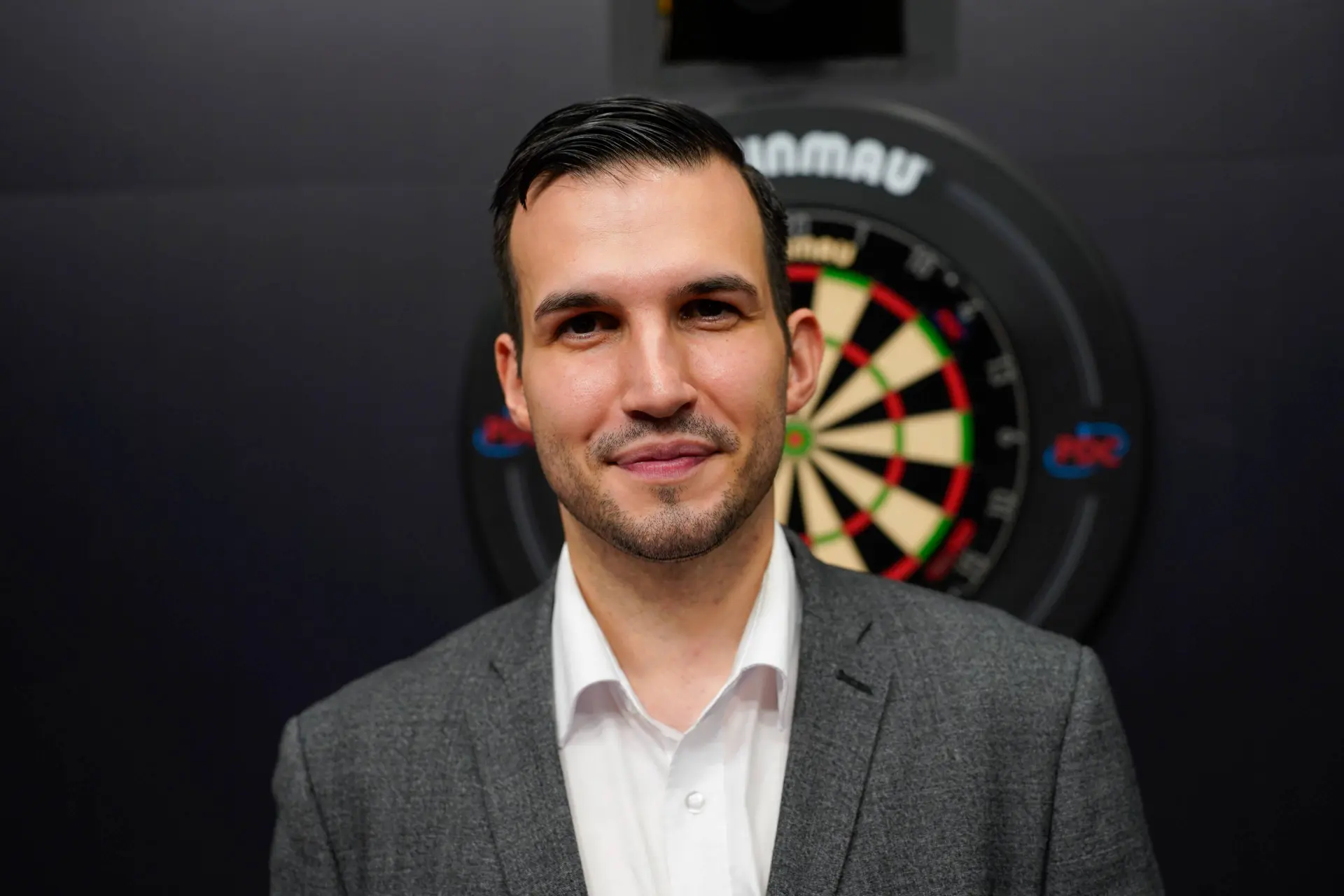
Matthew Edgar is a former professional darter and now works as a commentator and analyst
Negativity drives engagement — but at a cost
ADVERTISEMENT
At the heart of the issue, Edgar believes, is a simple reality about modern media. “Negativity sells more than positivity.”
It is a dynamic seen across sport and entertainment, where controversy generates attention, engagement and ultimately revenue. Edgar understands why it happens, but he also warns about its long-term impact. “I think sometimes things are being promoted from a negative spin rather than what they are.”
For someone who values storytelling, that is where the line should be drawn. Edgar is not against debate, analysis or secondary content, far from it. But for him, those elements must remain grounded in reality. “I love stories… but let’s keep them factual and as they are.”
Social media, not darts itself, is the driver
ADVERTISEMENT
With darts enjoying unprecedented popularity, it would be easy to assume that this shift in media tone is simply a byproduct of the sport’s success. Edgar sees it differently. “It’s a byproduct of social media and monetisation, realistically.”
The sport’s biggest event, the World Championship, generates huge numbers, but only for a limited period each year. Outside of that window, content creators and media outlets are under pressure to find stories that attract attention. “Negativity sells, so people are trying to find a form of negativity… and that becomes the story.”
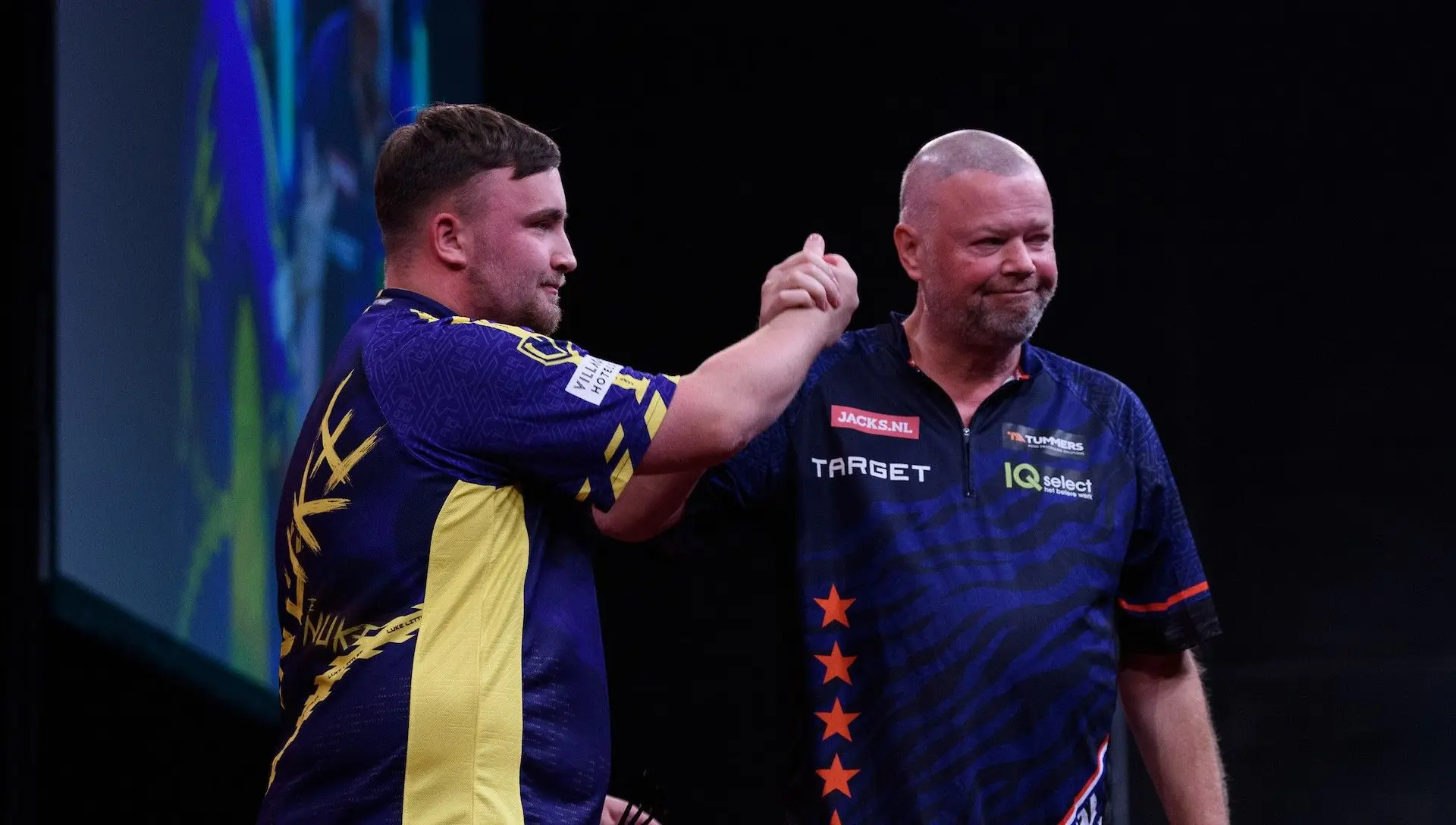
High-profile names, particularly Luke Littler, only amplify that effect. Mentioning them almost guarantees traction and, in turn, increases the temptation to shape narratives for impact rather than accuracy.
Small details, big difference in storytelling
Edgar’s frustrations extend beyond clickbait headlines. He also takes issue with what he sees as lazy language in coverage. “What I hate is when they say ‘former world champion’.”
ADVERTISEMENT
To him, that phrasing strips away important context. “Why can’t you give them the credit of the title they earned? Say ‘two-time world champion’, ‘2017 world champion’.”
It is a small detail, but one that matters, particularly for newer fans trying to understand the sport. “If you say ‘2024 world champion’, someone new instantly knows he’s a recent world champion. If you just say ‘former’, it just dumps it all in the past.”
Keeping darts grounded as it grows
Despite his concerns, Edgar remains optimistic about the future of darts. The sport is expanding, the standard continues to rise, and interest shows no signs of slowing.
But with that growth comes responsibility, particularly for those shaping its narrative. “I just want it to be done correctly… we don’t need to sensationalise everything. Let’s sell this on story.”
ADVERTISEMENT
For fans, his message is just as clear. In an era of constant content and instant reaction, critical thinking matters more than ever. “Don’t let somebody else tell you about somebody else’s opinion… go watch it.”
Because only then, Edgar suggests, can you truly understand what is actually happening in the sport.
Kieran WoodDarts Journalist
Kieran Wood is a sports journalist based in Wales and has been active in journalism since 2022. He contributes to DartsNews.com, where he covers professional darts through news, match reports, analysis, and live coverage across the PDC calendar and major tournaments.
A key part of his work is on-site reporting from leading events. Kieran has covered the PDC World Darts Championship in person, reporting daily from the venue and providing first-hand insight from the tournament. During his coverage, he has conducted interviews with leading players including Luke Littler, Luke Humphries, and Gerwyn Price.
He is also one of the leading voices of the English-language Dartsnews Podcast, contributing regular analysis and discussion on developments across the professional darts circuit.
In his reporting, Kieran places strong emphasis on careful sourcing, editorial accuracy, and updating articles when new, verified information becomes available.
claps 0visitors 0
Just in
Popular news

Latest comments
- I agree,I can't believe the lack of coverage of this sad loss. Always enjoyed watching him,but I guess now it's all about littler,well it seems that way. Darts has sadly lost a good manrick6717-10-2026
- In the absence of a report regarding the death of Stefan Lord, I'll assist. An excellent player in the late 70s and early 80s, he actually won the now defunct 3rd place match at two World Championships and a couple of the News of the World Championships. A fabulous player and easily the best Swedish player ever. Rest peacefully Stefan.richieburnettrocks16-10-2026
- Joking aside, it is the second most watched sport on sky (more than golf, F1 etc) behind football only, and in participation is second to only football and swimming. It doesn't get the attention or sponsorship of "bigger" sports because it's not as sexy, but it's right up there.BandB13-10-2026
- i love darts but you can't seriously believe it's the second most popular sport in the uk. even top five is pushing it. it may be the fastest growing, though.colt13-10-2026
- I'm a big Clayton fan, but he's got this completely wrong. Qualification criteria exists for a reason - so just as failing to make the top 32/64 for the Euro championships/PT Finals means you miss out, so does not lifting a title for this one.26sForFun12-10-2026
- The players who deliberately slow the game down are usually boring and win very little in the way of silverware. Horrible to watch.MrYnyslas197112-10-2026
- [“The Gentle” then used a sweeping and questionable phrase...] You anglocucks are hilariously finished in every sense of the word.Critical99911-10-2026
- I love Jonny but I disagree. The Grand Slam was always supposed to be "champion of champions" type competition. If the top 16 are guaranteed participation in everything there will be so much less jeopardy involved in qualifying and each major tournament will lose its unique flavour which the PDC has worked hard trying to develop. I enjoy following the qualification races towards the end of the year, and while consistency should have its rewards, the truth is Jonny hasn't reached a major final all year or won a single event on the Pro Tour. Being consistent is one thing, but that alone should have consequences as the sport's elite should not be prepared to accept consistently strong performances, their foremost motivation should be to win and this should be what separates them from the rest, not the consistency of their performances. Jonny is expecting that losing should be enough; it shouldn't be, at least not as far as the Grand Slam is concerned.Deduce635811-10-2026
- Well being honest,it doesn't matter what level you play at, there's always someone who slows it down to suit themselves,and extra swig of water, replacing flights, asking the ref what the score is. It happens wherever. I'm not saying it's professional,but I'm sure we've all seen it beforerick6711-10-2026
- Agree completely. Not sure how a ranking event can have a criteria not based on rankings. And he right on popularity. In the UK second only to football.BandB11-10-2026
Loading