“Someone should just take his phone away for a bit—it’s not that complicated” – Criticism of Luke Littler’s management and conduct after incident with Gian van Veen
PDC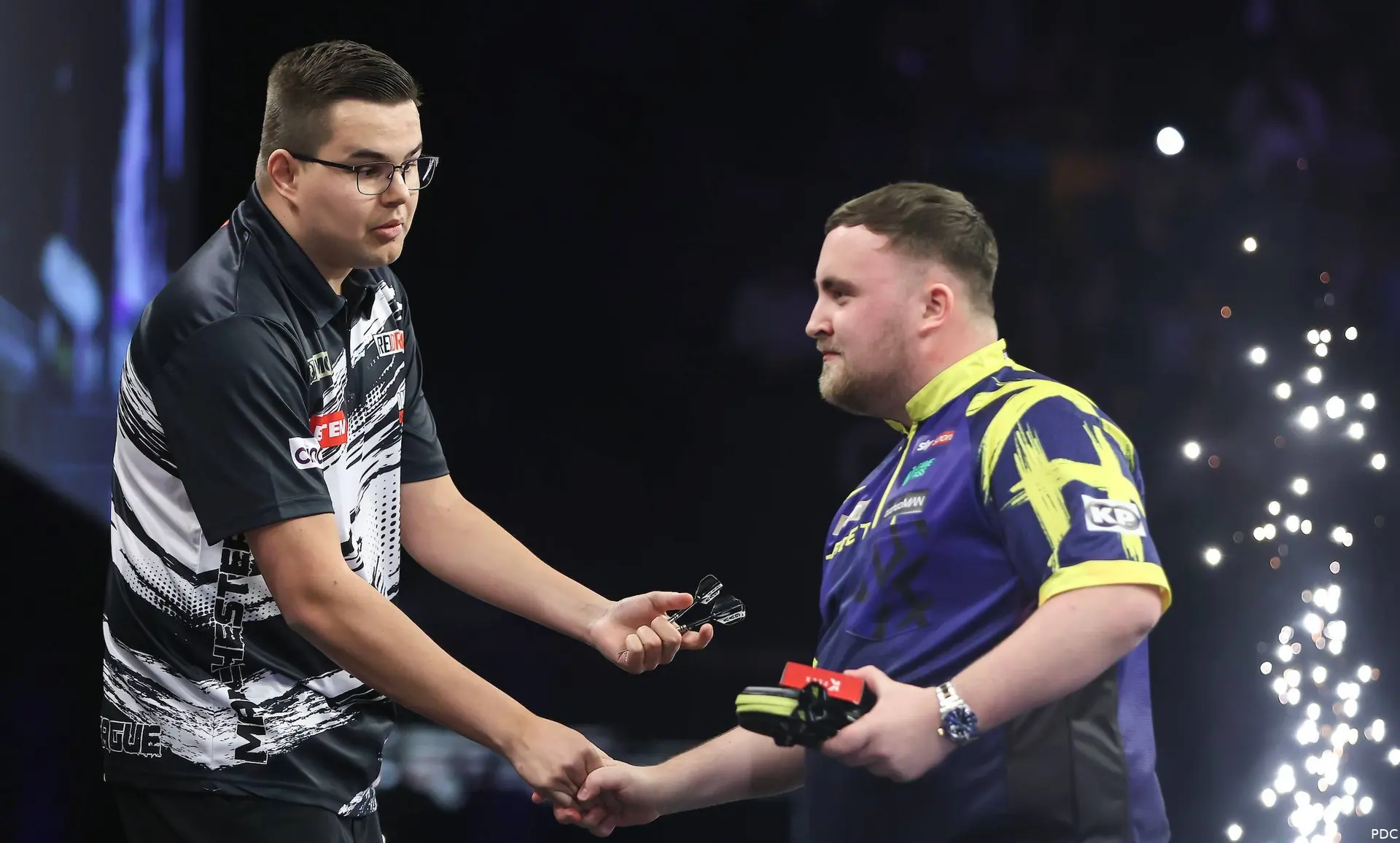
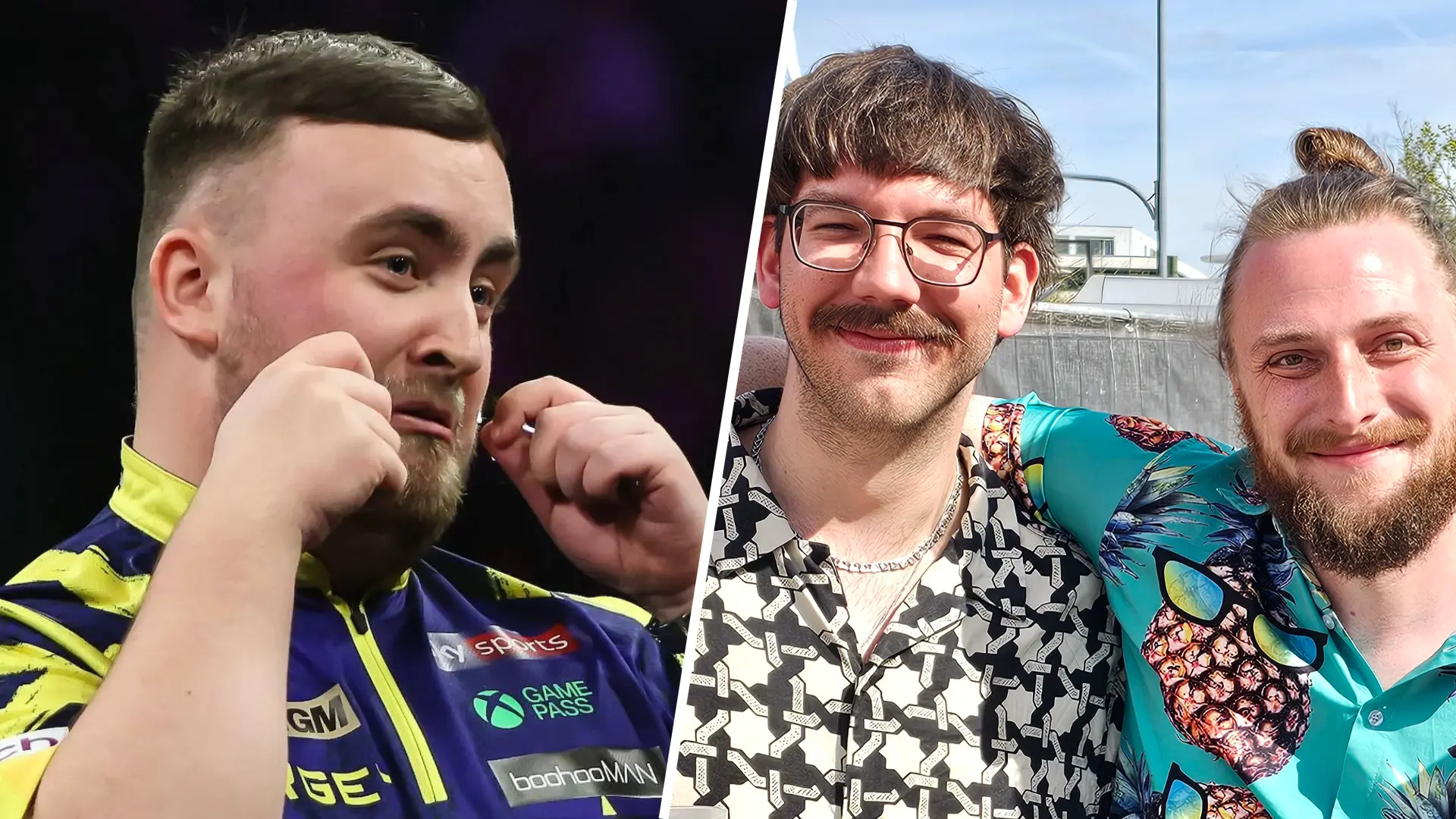
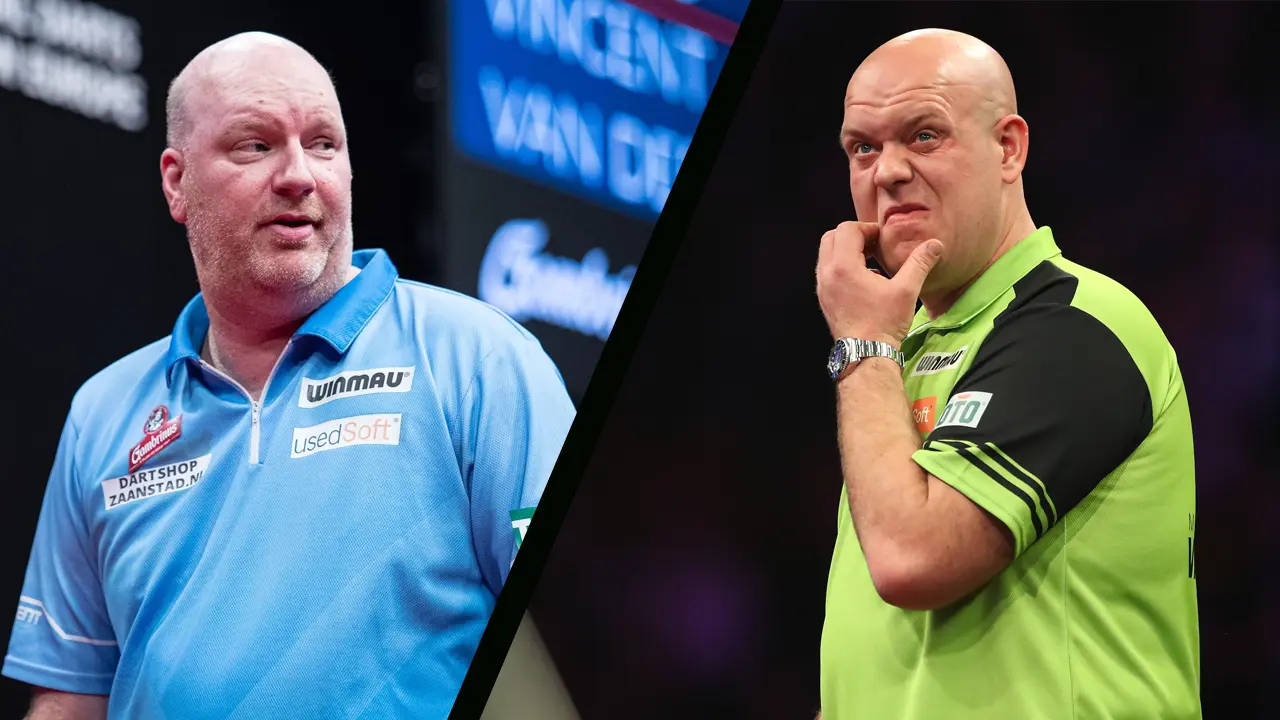
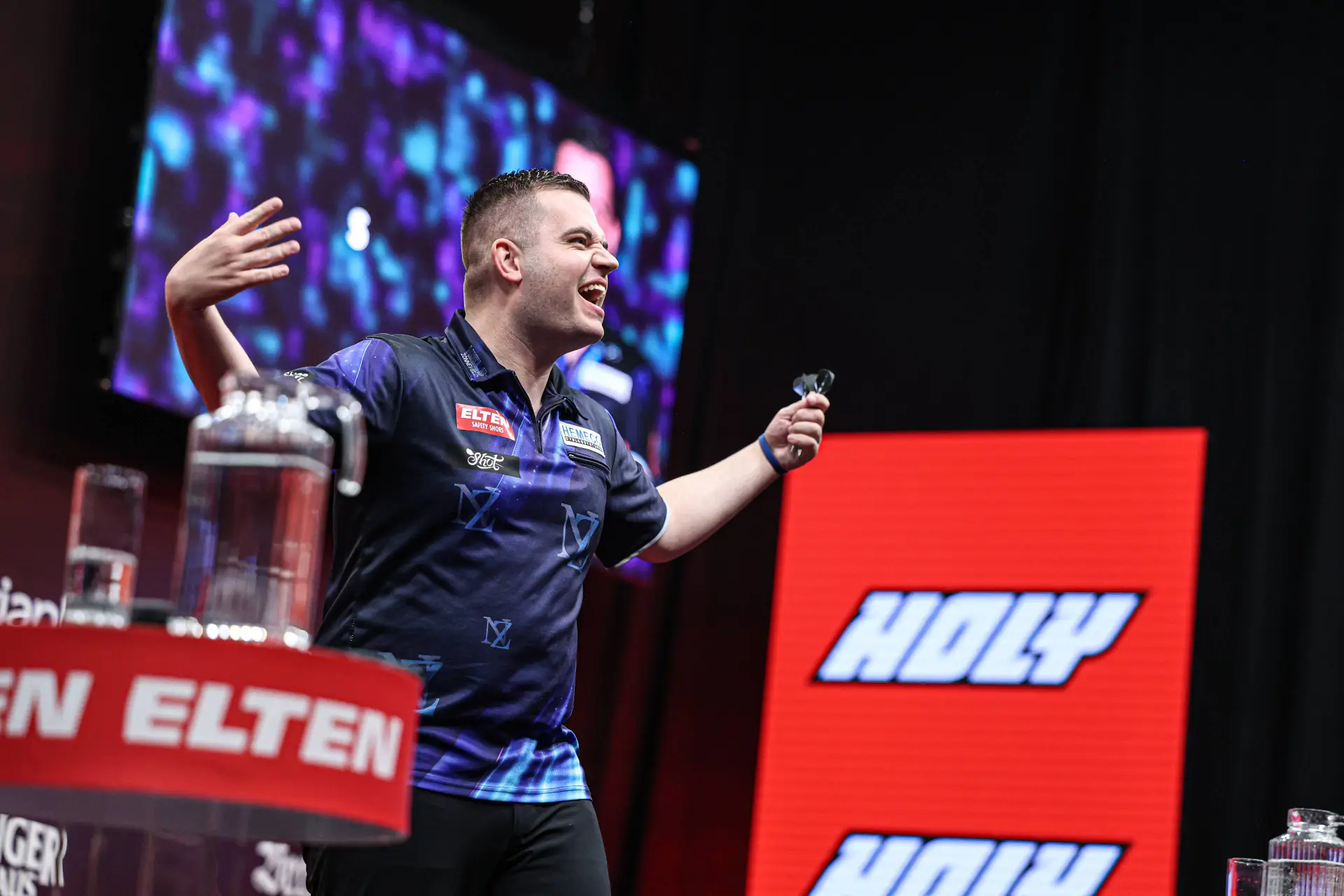
The fallout from the much-discussed incident between Luke Littler and Gian van Veen continues to grip the darts world. Not the winner of the night, but the altercation between the two dominated the conversation. Former pro Vincent van der Voort takes a sharp look at the situation and mainly sees how one moment has been completely blown up.
ADVERTISEMENT
“The whole evening ended up being about that incident. Normally it’s about the winner,” says Van der Voort on the Darts Draait Door podcast. “But who even won? I think Gerwyn Price played brilliantly, but nobody talked about it afterwards.”
According to Van der Voort, that says everything about how big the incident was made. “It was the main topic everywhere—press conferences, newspapers in England, Dutch media, social media. Everything was about that moment.”
“But sport isn’t just about winning—it’s also about rivalry," Van der Voort continued. "Something has to happen sometimes. I actually think the PDC was quite happy with it.”
Crucial moment in the deciding leg
The incident itself arose in the decisive phase of the match. Van Veen had the chance to seal the contest but missed at a crucial moment, after which Littler made his presence felt towards the crowd.

Van der Voort sketches the moment in detail: "It was 5–5. Van Veen misses 134 on double 7—just one dart. Then Littler steps up for 90 to win the match. He hits triple 20, then goes inside on 15, so he leaves double 15 but hits single 15. Normally you’d be annoyed and reset. But Van Veen turns away, and at that moment he sees Littler gesture to the crowd like, 'I’m getting another chance.'"
ADVERTISEMENT
That gesture did not go without consequences. “Then Littler reacts too aggressively afterwards—that’s where he goes wrong. He makes it bigger than it needed to be,” analyses Van der Voort. “After the match, he gives a kind of 'Kevin handshake'—you know, one of those quick handshakes without looking at the other person.”
VAN VEEN KO'S LITTLER!
— PDC Darts (@OfficialPDC) April 2, 2026
Gian van Veen is back in business!
The European Champion halts Luke Littler's winning run with a dramatic deciding-leg victory in Manchester!
📲 https://t.co/gFQK4rQ2wU #PLDarts | QF3 pic.twitter.com/j9caCQ7RsK
Social media pouring fuel on the fire
While the incident on stage remained relatively contained, Van der Voort believes it was truly blown up in the aftermath. In particular, Littler’s behaviour on social media went down badly.
“If Littler had just said afterwards, 'That wasn’t smart,' it would’ve been nothing,” says Van der Voort. “But then he continues on social media, showing off what he’s won… but yeah, he’s still a kid.”
ADVERTISEMENT
According to the former darter, that points to a broader issue. “It suggests he might not have the right people around him to tell him, 'Don’t do that.' That’s the real issue. Someone should just take his phone away for a bit—it’s not that complicated.”
On the other hand, Van der Voort saw a mature response from Van Veen, who stayed calm in interviews and articulated his position clearly. “Some people aren’t natural 'characters,' but they grow into it over time in their careers. Moments like this help with that,” he says. “You shouldn’t let people walk all over you—you should say something if you don’t agree.”
Still, Van der Voort does not expect the incident to rumble on for long. “In the end, this will all be resolved quickly. It’s really nothing major.”
Rivalry as fuel for the sport
ADVERTISEMENT
Although the situation may be unpleasant for the players involved, Van der Voort also sees the positive side of such confrontations. He believes tension and rivalry are part of elite sport.
“Exactly—that’s what you want. A bit more edge, some verbal back-and-forth. That’s what sport is about.” He draws a comparison with football: “Why is Rangers vs Celtic so great? Not because they like each other. Same with Ajax vs Feyenoord—it’s about tension. That’s what makes it interesting.”
Lesson for Littler
The crux of the matter, according to Van der Voort, ultimately lies with Littler’s development. The 19-year-old Englishman is still young but is operating at the highest level. “He’s still only 19 years old. But he’s competing at the top level now, among adults. So he’ll be judged like one,” Van der Voort emphasises. “If you’re winning everything, you start to feel like you can do anything. That’s normal. You don’t notice the pressure or the crowd. But when results drop, it becomes a different story."
That’s where he sees the biggest risk. “Look at Gerwyn Price—he knows what it’s like when the crowd turns against you every week. It can really affect you.” Despite all the commotion, Van der Voort expects calm to return quickly. He doesn’t think a reconciliation talk is necessary. “No way,” he says firmly. “You’re not in a talking group, are you? It’ll fizzle out on its own.”
ADVERTISEMENT
Lucas MichaelDarts Journalist
Lucas Michael is a darts journalist and reporter based in Cambridge, UK, and has been part of the DartsNews team since 2025. He covers professional darts through reports, analysis, round-ups, and live coverage, with a focus on clear context and accurate reporting across the PDC calendar.
A key part of his work is liveblogging major tournaments throughout the year, providing real-time updates, match coverage, and contextual reporting across the professional circuit. He also reports regularly from events on site and has covered the PDC World Darts Championship from the venue, delivering first-hand insight throughout the tournament.
Within the newsroom, Lucas works closely with the editorial team and supports coverage alongside Chief Content Officer Samuel Gill and reporter Kieran Wood.
Lucas holds a BA (Hons) in Sports Journalism. In his work, he places strong emphasis on careful sourcing, editorial accuracy, and updating content promptly when new, verified information becomes available.
claps 2visitors 2
Just in
Popular news

Latest comments
- I agree,I can't believe the lack of coverage of this sad loss. Always enjoyed watching him,but I guess now it's all about littler,well it seems that way. Darts has sadly lost a good manrick6717-10-2026
- In the absence of a report regarding the death of Stefan Lord, I'll assist. An excellent player in the late 70s and early 80s, he actually won the now defunct 3rd place match at two World Championships and a couple of the News of the World Championships. A fabulous player and easily the best Swedish player ever. Rest peacefully Stefan.richieburnettrocks16-10-2026
- Joking aside, it is the second most watched sport on sky (more than golf, F1 etc) behind football only, and in participation is second to only football and swimming. It doesn't get the attention or sponsorship of "bigger" sports because it's not as sexy, but it's right up there.BandB13-10-2026
- i love darts but you can't seriously believe it's the second most popular sport in the uk. even top five is pushing it. it may be the fastest growing, though.colt13-10-2026
- I'm a big Clayton fan, but he's got this completely wrong. Qualification criteria exists for a reason - so just as failing to make the top 32/64 for the Euro championships/PT Finals means you miss out, so does not lifting a title for this one.26sForFun12-10-2026
- The players who deliberately slow the game down are usually boring and win very little in the way of silverware. Horrible to watch.MrYnyslas197112-10-2026
- [“The Gentle” then used a sweeping and questionable phrase...] You anglocucks are hilariously finished in every sense of the word.Critical99911-10-2026
- I love Jonny but I disagree. The Grand Slam was always supposed to be "champion of champions" type competition. If the top 16 are guaranteed participation in everything there will be so much less jeopardy involved in qualifying and each major tournament will lose its unique flavour which the PDC has worked hard trying to develop. I enjoy following the qualification races towards the end of the year, and while consistency should have its rewards, the truth is Jonny hasn't reached a major final all year or won a single event on the Pro Tour. Being consistent is one thing, but that alone should have consequences as the sport's elite should not be prepared to accept consistently strong performances, their foremost motivation should be to win and this should be what separates them from the rest, not the consistency of their performances. Jonny is expecting that losing should be enough; it shouldn't be, at least not as far as the Grand Slam is concerned.Deduce635811-10-2026
- Well being honest,it doesn't matter what level you play at, there's always someone who slows it down to suit themselves,and extra swig of water, replacing flights, asking the ref what the score is. It happens wherever. I'm not saying it's professional,but I'm sure we've all seen it beforerick6711-10-2026
- Agree completely. Not sure how a ranking event can have a criteria not based on rankings. And he right on popularity. In the UK second only to football.BandB11-10-2026
Loading