“The divorce hurt him, and then there was his dad’s illness...” – Darts success key to Michael van Gerwen finding happiness says Van der Voort
PDC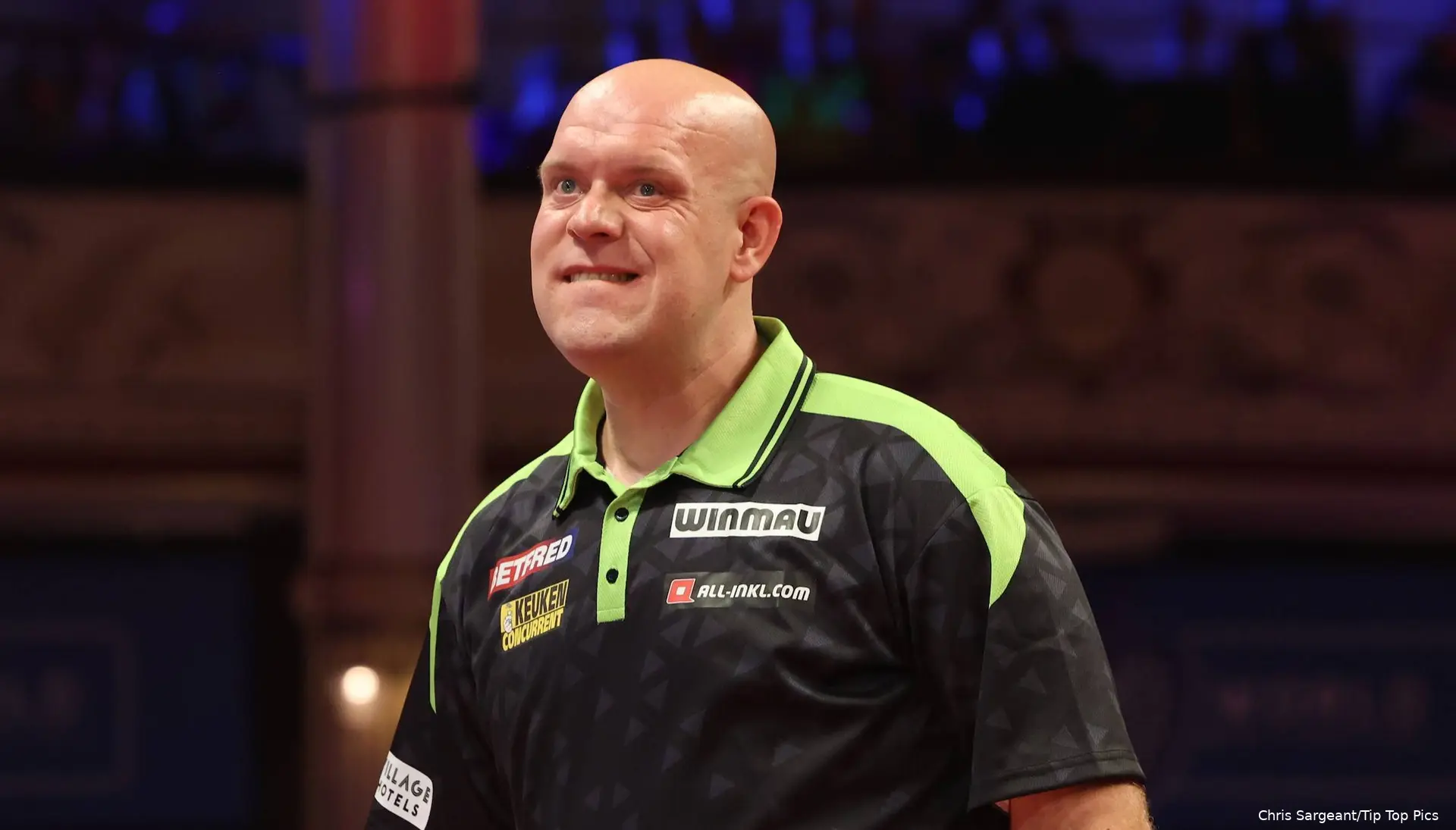
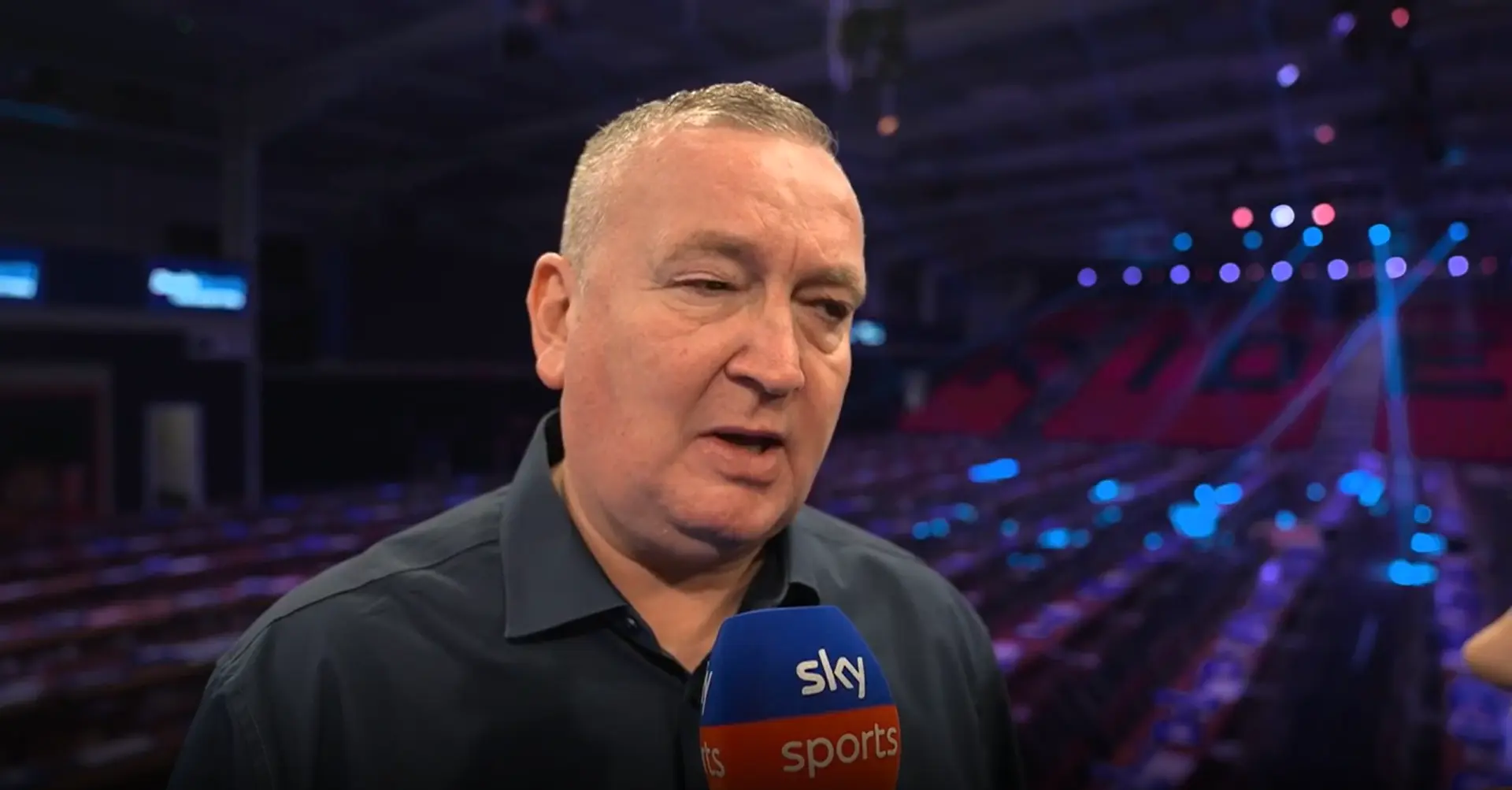
Vincent van der Voort has never been one to sugar-coat things. Whether talking about the future of Dutch darts, Michael van Gerwen’s drive to return to the top, or the state of the professional game, the Dutchman remains as frank and forthright as ever — even if his own playing commitments have slowed down.
ADVERTISEMENT
Speaking to Online Darts during the 2025 World Matchplay — where he was in Blackpool in a non-playing capacity — van der Voort reflected on an event that offered plenty of encouragement for his compatriots, including shock wins for Gian van Veen and Wessel Nijman.
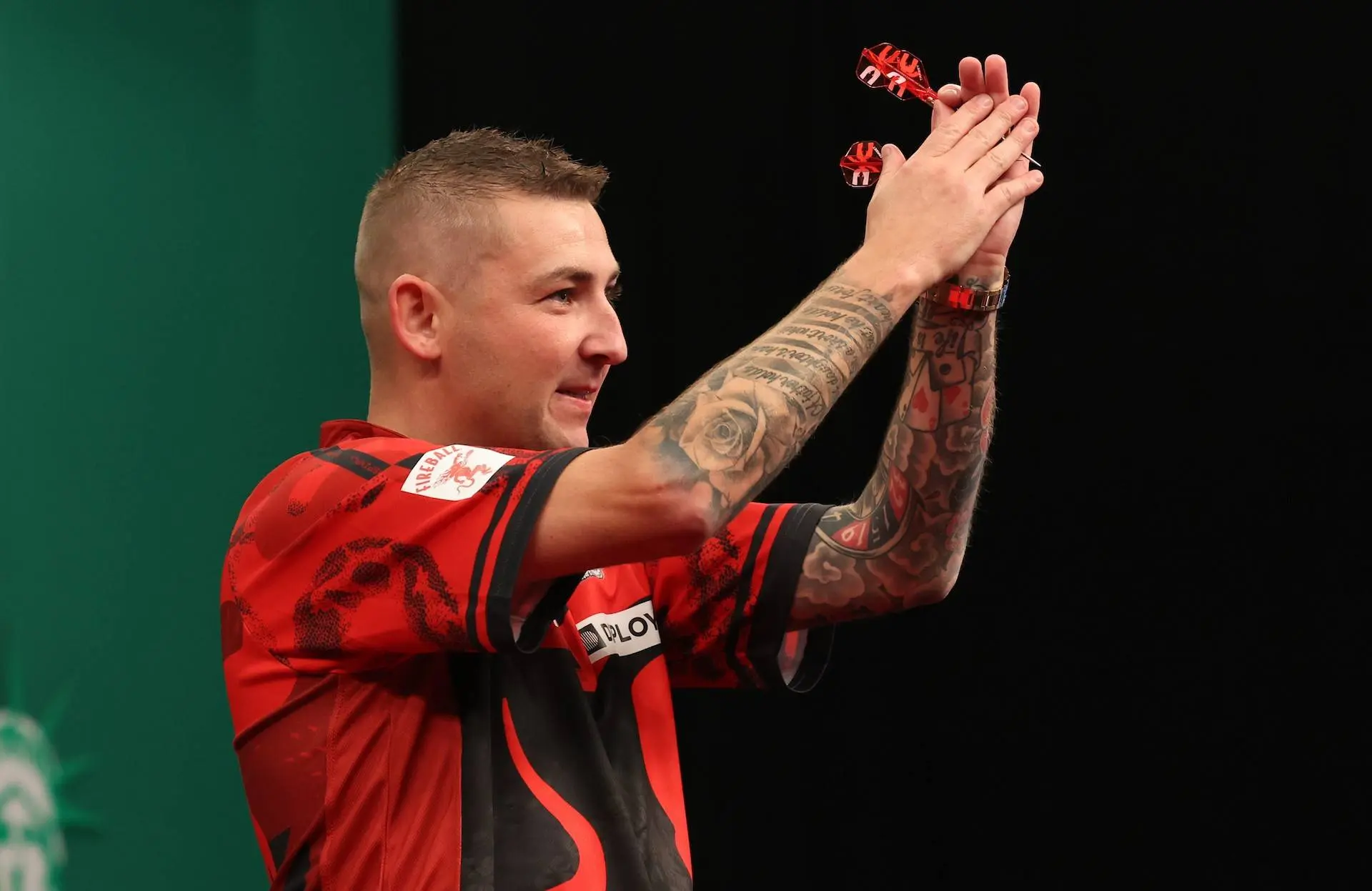
“For the Dutch players, the first round was surprisingly really good,” van der Voort said at the time. “Gian beating Luke Humphries, Wessel beating Nathan Aspinall — so yeah, it was a great tournament from that side. You know I like a little bit of needle, and that happened as well. I enjoyed it.”
The rise of Gian van Veen, in particular, has prompted renewed excitement in Dutch darts circles — and raised the question of whether he could be the next big star from the Netherlands after Michael van Gerwen. “It’s always difficult to pin that on someone,” van der Voort cautioned. “You can see he’s a top 16 player, but whether he’s got that extra gear to be a regular Premier League player, to go deep in tournaments often — you don’t know.”
“He had a great opportunity [at the Matchplay] after beating Luke. If he’d gone all the way to the final, that would’ve been a massive change for him — mentally, and in how players look at him. So far, every time he’s been asked a question, he’s had an answer. He’s well spoken, a good guy, playing amazing darts. So why not?”
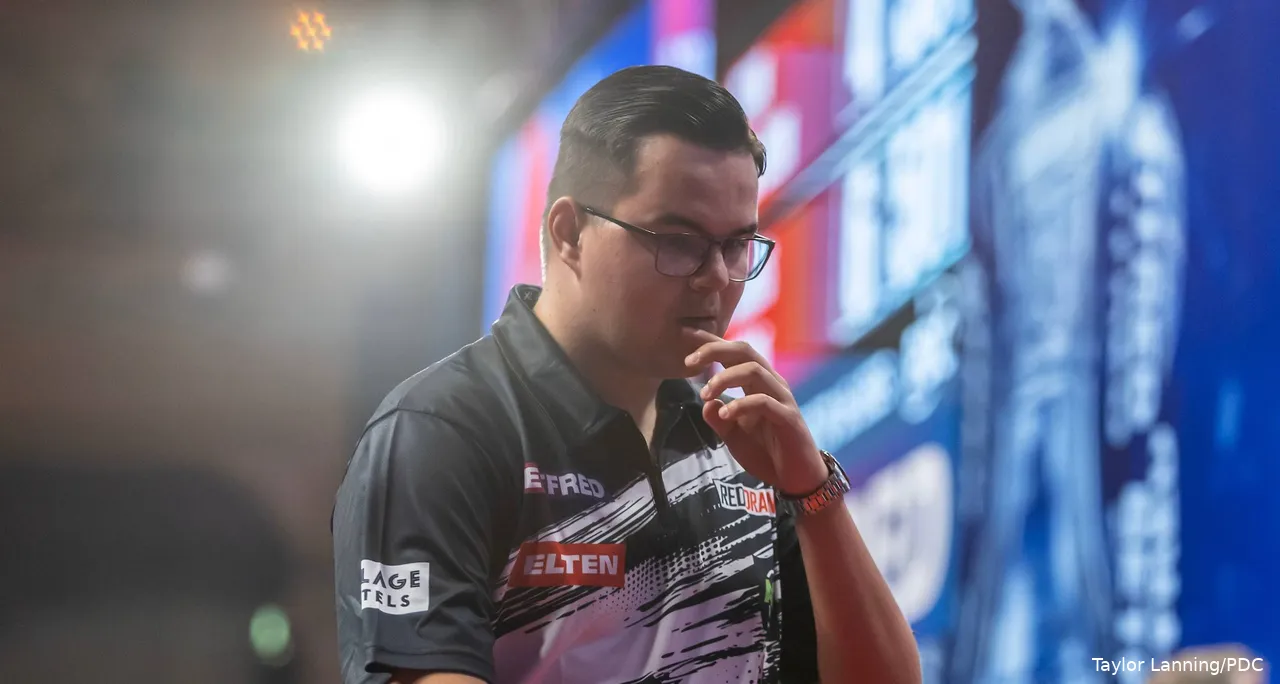
After wins over Luke Humphries and Danny Noppert, Gian van Veen lost to James Wade in the last eight
"If you've got 32 Johnny Claytons, it’s not fun"
ADVERTISEMENT
While many within the game speak cautiously about the so-called “needle” between players, van der Voort remains unapologetically in favour of it. In his eyes, sporting rivalries — and even a bit of antagonism — are what make darts, and sport in general, come alive. “I don’t get why people want to shy away from it. The sport needs it,” he said. “If you’ve got 32 Johnny Claytons in the building, it’s not a fun tournament. But if you’ve got 32 Gerwyn Prices, it’s not fun either. You’ve got to mix it up.”
“Sometimes you need players that don’t like each other. As long as it’s during the match and over afterwards, that’s fine. I like it when someone says in an interview, ‘I think I’m going to smash him,’ and the other guy responds, ‘We’ll see about that.’ That’s good for the sport.”
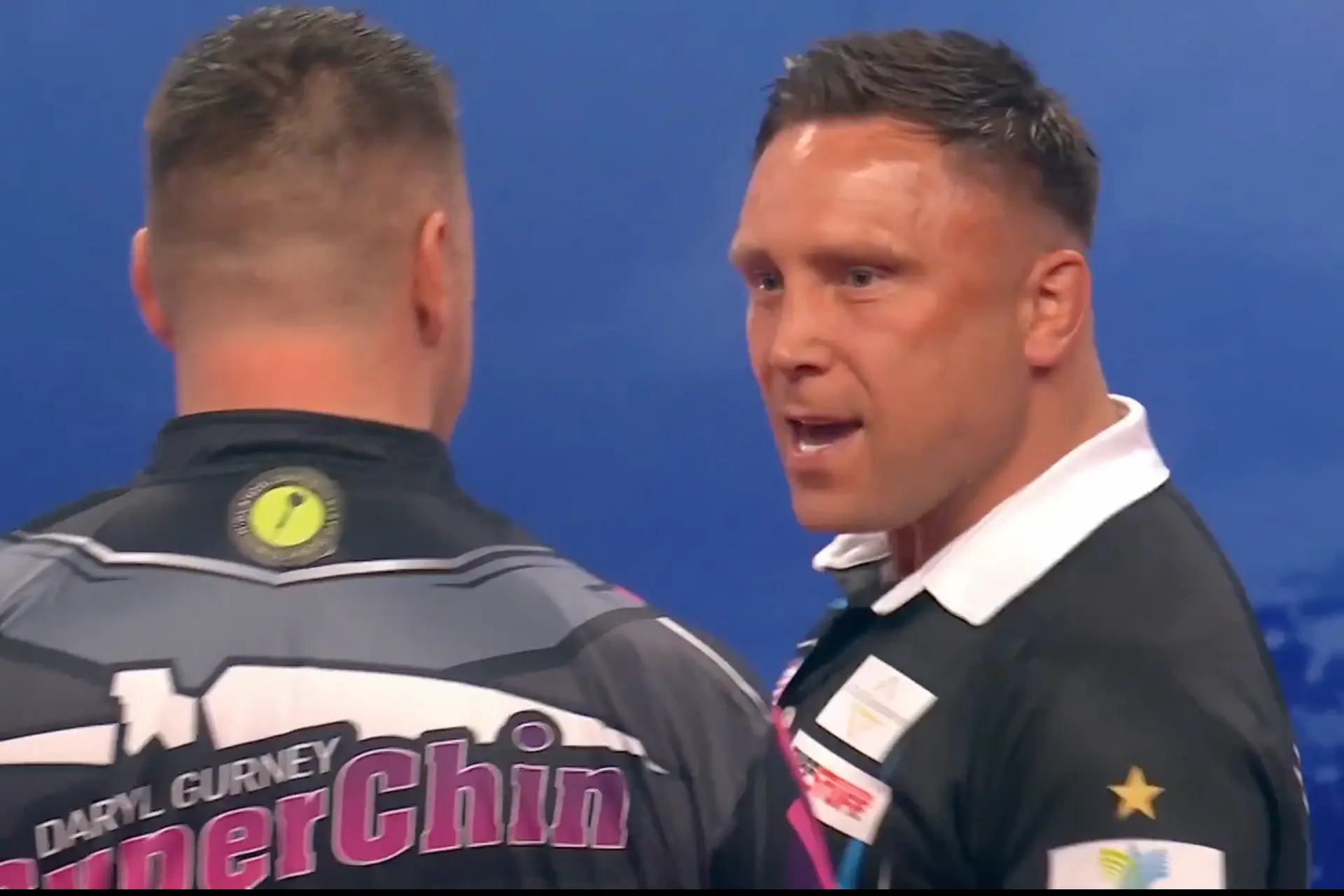
He referenced the now-iconic Grand Slam final between Gerwyn Price and Gary Anderson as the perfect example of why that tension matters. “Everyone was talking about fines and drama, but it was one of the best matches ever because there was so much needle. That’s what sport is — emotion.”
Van der Voort also believes the PDC itself can sometimes stifle that emotion by pressuring players to behave a certain way in the hope of being picked for the Premier League or World Series. “They’re all afraid. They think if they don’t behave exactly how they’re supposed to, they won’t get picked. You have to give them a little room. As long as it’s not over the line — no punching or touching anyone — then a bit of needle is good. Don’t kill the characters.”
ADVERTISEMENT
“He needs to live for his sport again”
Perhaps the most honest and revealing parts of the interview came when van der Voort turned his attention to Michael van Gerwen — a close friend and someone he’s supported closely during a tough spell away from the peak of his powers. “Michael knows he has to practise more, work more, and live for his sport,” he said. “The divorce hurt him, and then there was his dad’s illness. But if in a few months he still has that focus, then we’ll see a better Michael.”
And if not? “If he thinks, ‘I’m fine doing what I’m doing now,’ then we’ll never see the best version again. The rest aren’t standing still. They’re getting better, more motivated. The money’s going crazy. He has to live for it again.”
Van der Voort admitted the two have had “100%” frank conversations about Michael’s drop-off in commitment and practice. “My job is to tell him how I feel. If he doesn’t want to listen, fine — it’s his career. But I have to say it, because I don’t want him looking back and saying, ‘Why didn’t you tell me?’”
He also cast doubt on the idea that any player — even one as naturally gifted as MVG — can succeed without hard work. “There’s no one in the world who can do almost no practice and be number one. I don’t believe that.”
ADVERTISEMENT
Despite van Gerwen’s admission that he barely practised for over two years, he still managed to remain third in the world — something van der Voort attributes to sheer talent and belief. “But I don’t think he belongs there at the moment,” he added. “The throw, the rhythm — all of that suffers when you don’t practise. In practice, you build routine. Without that, you’re guessing every time you go to the board.”
Van der Voort believes improvements are still possible, even post-surgery. “With the wrist — yeah, after the elbow operation it might never go back to how it was. But it can be better. More fluent. That’s about doing it day in, day out. He doesn’t need to practise five hours a day, just properly. People confuse throwing at a board with practising. There’s a big difference.”

Van Gerwen & Van der Voort have long been good friends away from oche
“It's a massive risk for young players”
Away from the elite level, van der Voort also expressed concern about the financial structure of the modern game — particularly how difficult it is for new professionals to make a living. “The money’s great at the top — whoever thought ten years ago you’d get a million pounds for winning the World Championship?” he said. “But they need to look at the bottom. Right now, if you want to go pro and you’ve got a family, a mortgage, a decent job — you’re taking a massive risk.”
ADVERTISEMENT
“Players are expected to give up their jobs to play midweek ProTours, but starting at the bottom of the rankings is so hard. It can take two or three years to break through. Some fall out and go back through Q School. The Euro Tour system makes it really hard to get in. That’s something the PDPA needs to look at.”
“The PDPA should work for the players”
Would van der Voort consider helping to shape those conversations? “Maybe. A couple of players have asked me, but I’m not going to push myself forward. I’d need to be asked — and only if I felt my ideas wouldn’t be ignored.”
He believes the disconnect between players and the PDPA is growing — and feels too many within the PDPA sound more like PDC officials. “They should be backing the players. They work for the players. Right now, it doesn’t feel like that.”
One thing is clear: whether behind the scenes or in front of the camera, Vincent van der Voort remains one of the most passionate, honest and respected voices in the sport — and he’s not afraid to speak up for what he believes darts really needs: honesty, grit, and a bit of needle.
ADVERTISEMENT
Kieran WoodDarts Journalist
Kieran Wood is a sports journalist based in Wales and has been active in journalism since 2022. He contributes to DartsNews.com, where he covers professional darts through news, match reports, analysis, and live coverage across the PDC calendar and major tournaments.
A key part of his work is on-site reporting from leading events. Kieran has covered the PDC World Darts Championship in person, reporting daily from the venue and providing first-hand insight from the tournament. During his coverage, he has conducted interviews with leading players including Luke Littler, Luke Humphries, and Gerwyn Price.
He is also one of the leading voices of the English-language Dartsnews Podcast, contributing regular analysis and discussion on developments across the professional darts circuit.
In his reporting, Kieran places strong emphasis on careful sourcing, editorial accuracy, and updating articles when new, verified information becomes available.
claps 2visitors 1
Just in
Popular news
Latest comments
- I agree,I can't believe the lack of coverage of this sad loss. Always enjoyed watching him,but I guess now it's all about littler,well it seems that way. Darts has sadly lost a good manrick6717-10-2026
- In the absence of a report regarding the death of Stefan Lord, I'll assist. An excellent player in the late 70s and early 80s, he actually won the now defunct 3rd place match at two World Championships and a couple of the News of the World Championships. A fabulous player and easily the best Swedish player ever. Rest peacefully Stefan.richieburnettrocks16-10-2026
- Joking aside, it is the second most watched sport on sky (more than golf, F1 etc) behind football only, and in participation is second to only football and swimming. It doesn't get the attention or sponsorship of "bigger" sports because it's not as sexy, but it's right up there.BandB13-10-2026
- i love darts but you can't seriously believe it's the second most popular sport in the uk. even top five is pushing it. it may be the fastest growing, though.colt13-10-2026
- I'm a big Clayton fan, but he's got this completely wrong. Qualification criteria exists for a reason - so just as failing to make the top 32/64 for the Euro championships/PT Finals means you miss out, so does not lifting a title for this one.26sForFun12-10-2026
- The players who deliberately slow the game down are usually boring and win very little in the way of silverware. Horrible to watch.MrYnyslas197112-10-2026
- [“The Gentle” then used a sweeping and questionable phrase...] You anglocucks are hilariously finished in every sense of the word.Critical99911-10-2026
- I love Jonny but I disagree. The Grand Slam was always supposed to be "champion of champions" type competition. If the top 16 are guaranteed participation in everything there will be so much less jeopardy involved in qualifying and each major tournament will lose its unique flavour which the PDC has worked hard trying to develop. I enjoy following the qualification races towards the end of the year, and while consistency should have its rewards, the truth is Jonny hasn't reached a major final all year or won a single event on the Pro Tour. Being consistent is one thing, but that alone should have consequences as the sport's elite should not be prepared to accept consistently strong performances, their foremost motivation should be to win and this should be what separates them from the rest, not the consistency of their performances. Jonny is expecting that losing should be enough; it shouldn't be, at least not as far as the Grand Slam is concerned.Deduce635811-10-2026
- Well being honest,it doesn't matter what level you play at, there's always someone who slows it down to suit themselves,and extra swig of water, replacing flights, asking the ref what the score is. It happens wherever. I'm not saying it's professional,but I'm sure we've all seen it beforerick6711-10-2026
- Agree completely. Not sure how a ranking event can have a criteria not based on rankings. And he right on popularity. In the UK second only to football.BandB11-10-2026
Loading