“Van Barneveld isn't open to mental coaching. So how is he going to help him?” – Doubts grow over five-time world champion’s new partnership with former Spurs star
PDC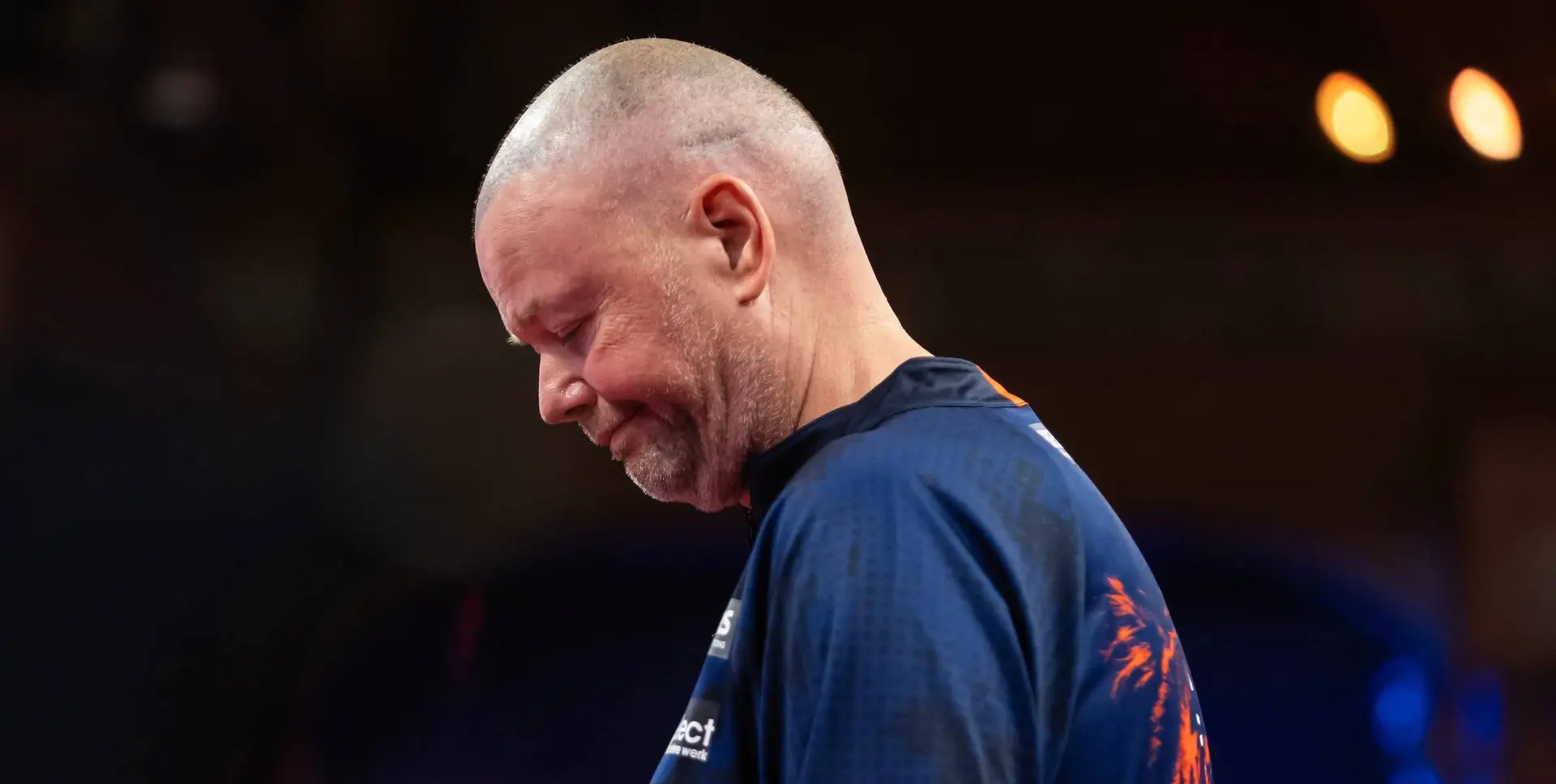
Raymond van Barneveld’s search for answers continues, but the central contradiction in his struggle remains unresolved. The five-time world champion wants change, admits his confidence is fragile, and openly asks for help, yet still resists the one area most observers see as decisive in darts: the mental side of the game.
ADVERTISEMENT
That tension sits at the heart of his newly announced collaboration with former footballer Rafael van der Vaart. The idea emerged after Van Barneveld publicly voiced his frustrations following the recent PDC World Darts Championship, describing the toll his performances and mindset have taken. Turning to an elite athlete from another sport has generated interest, but also immediate scepticism about what problem is actually being addressed.
Speaking on the Sportnieuws.nl podcast, former Olympic hockey player Ellen Hoog questioned whether the partnership can realistically deliver the breakthrough Van Barneveld is looking for.
“In the end, Van Barneveld really has to do it himself. He has already brought in so much support in the past,” she said, pointing to the long list of physical trainers and mental coaches he has already tried during his repeated attempts to rediscover form and motivation.
No conversation, just expectation
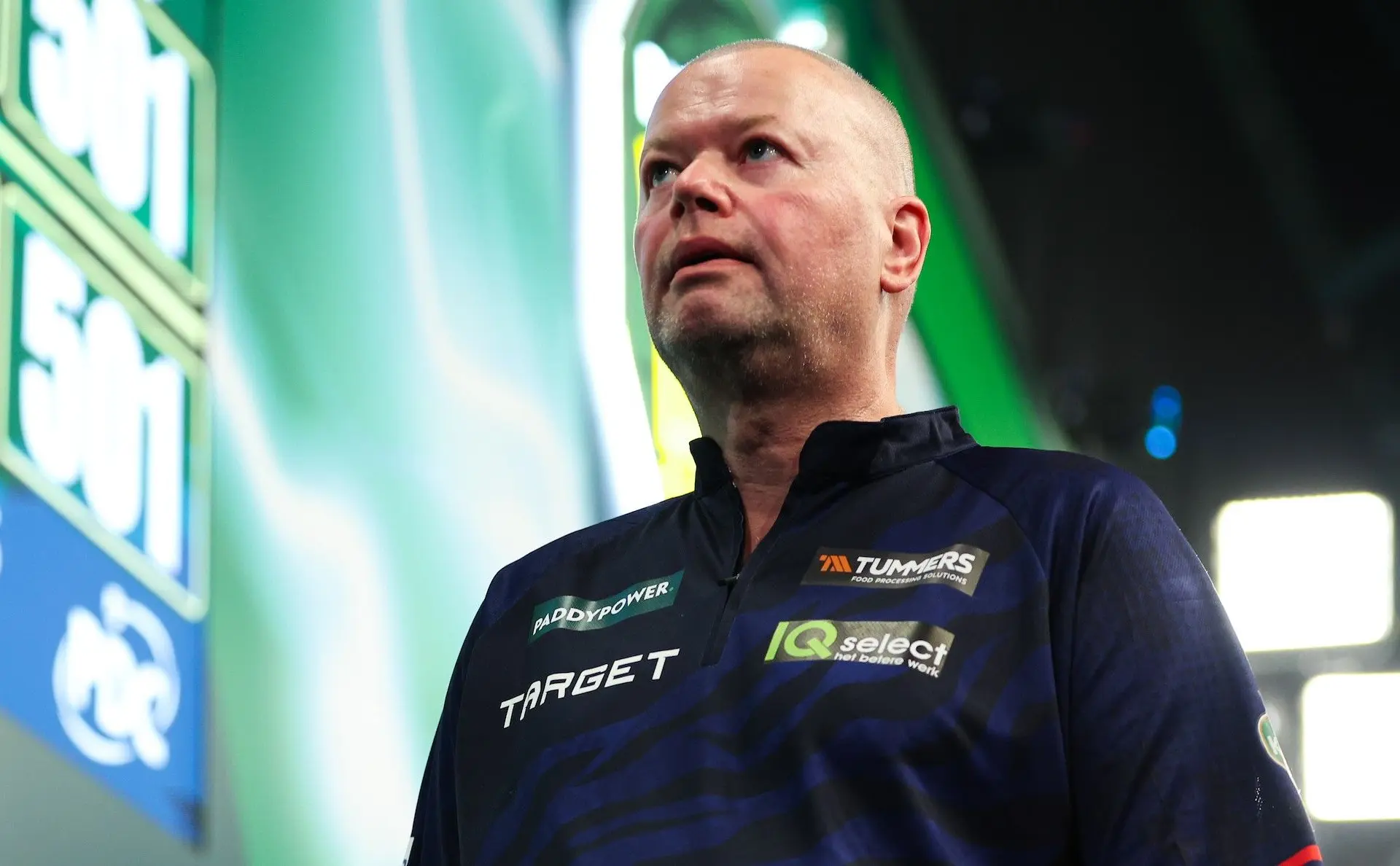
One striking detail is that, at the time of the discussion, Van Barneveld and Van der Vaart had not yet even sat down together. “They haven’t even had a conversation together yet. So we don’t really know what that help will involve,” Hoog noted, underlining how early the collaboration still is.
Van Barneveld, however, appears enthusiastic about the idea. According to Hoog, his admiration for Van der Vaart plays a role. “He’s already delighted that Van der Vaart wants to help him,” she said, before adding a note of caution. “That’s all very nice, but it doesn’t say anything yet about the effect.”
ADVERTISEMENT
Learning from other sports, but does it translate?
Hoog was careful to stress that she supports athletes learning from other disciplines in principle. Drawing on her own career, she explained how coaches often exchanged ideas across sports to sharpen their thinking. That, she believes, can be valuable.
The doubt lies not in the concept, but in the context. “I fully support Van der Vaart helping him,” she said. “But whether he will really get him back on the right track, I think that takes a lot.”
The mental block that won’t go away
ADVERTISEMENT
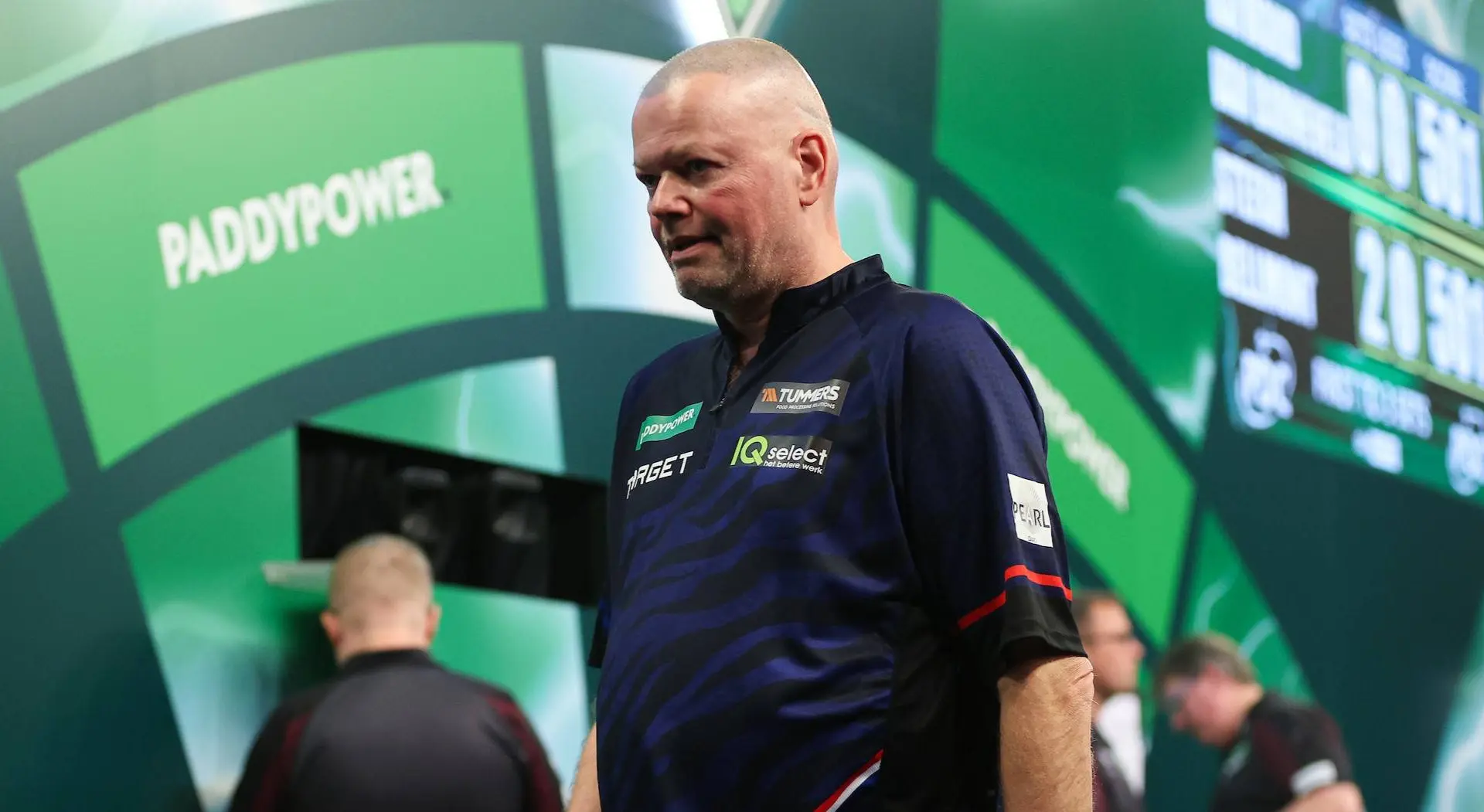
The biggest question mark remains Van Barneveld’s relationship with mental coaching. Hoog openly wondered where Van der Vaart could make the decisive difference. “Van Barneveld is not open to mental coaching, so that’s not where it lies. So how is he going to help him?” she asked.
Fellow podcast host Naomi van As argued that this is precisely where the core of the problem sits, but Hoog countered that Van Barneveld himself does not see it that way. “He’s tried that before and says it doesn’t work. So how do you then get back on the right track?”
Van Barneveld has suggested he wants a more direct approach, even joking that he needs “a kick up the backside” and someone to drag him to the gym. Hoog laughed at the idea that Van der Vaart would play that role, while Van As explained that Van der Vaart has instead spoken about using his network to find practical support.
Darts remains a mental sport
ADVERTISEMENT
Still, Hoog maintained that physical training can only ever be part of the solution. “I think darts is 80 to 90 percent mental. It’s all in the head,” she said. “He can go to the gym, and I encourage that, but to really become a top darts player again, it has to be right between the ears.”
Van As closed by highlighting the contrast between the two personalities involved, recalling Van der Vaart’s own admission that he barely overthinks anything at all. Hoog could only laugh at the comparison.
For Van Barneveld, though, the challenge is no joke. The question is not whether help is coming, but whether he is finally willing to confront the part of his game that has refused to move with it.
Kieran WoodDarts Journalist
Kieran Wood is a sports journalist based in Wales and has been active in journalism since 2022. He contributes to DartsNews.com, where he covers professional darts through news, match reports, analysis, and live coverage across the PDC calendar and major tournaments.
A key part of his work is on-site reporting from leading events. Kieran has covered the PDC World Darts Championship in person, reporting daily from the venue and providing first-hand insight from the tournament. During his coverage, he has conducted interviews with leading players including Luke Littler, Luke Humphries, and Gerwyn Price.
He is also one of the leading voices of the English-language Dartsnews Podcast, contributing regular analysis and discussion on developments across the professional darts circuit.
In his reporting, Kieran places strong emphasis on careful sourcing, editorial accuracy, and updating articles when new, verified information becomes available.
claps 0visitors 0
Just in

Popular news
Latest comments
- I agree,I can't believe the lack of coverage of this sad loss. Always enjoyed watching him,but I guess now it's all about littler,well it seems that way. Darts has sadly lost a good manrick6717-10-2026
- In the absence of a report regarding the death of Stefan Lord, I'll assist. An excellent player in the late 70s and early 80s, he actually won the now defunct 3rd place match at two World Championships and a couple of the News of the World Championships. A fabulous player and easily the best Swedish player ever. Rest peacefully Stefan.richieburnettrocks16-10-2026
- Joking aside, it is the second most watched sport on sky (more than golf, F1 etc) behind football only, and in participation is second to only football and swimming. It doesn't get the attention or sponsorship of "bigger" sports because it's not as sexy, but it's right up there.BandB13-10-2026
- i love darts but you can't seriously believe it's the second most popular sport in the uk. even top five is pushing it. it may be the fastest growing, though.colt13-10-2026
- I'm a big Clayton fan, but he's got this completely wrong. Qualification criteria exists for a reason - so just as failing to make the top 32/64 for the Euro championships/PT Finals means you miss out, so does not lifting a title for this one.26sForFun12-10-2026
- The players who deliberately slow the game down are usually boring and win very little in the way of silverware. Horrible to watch.MrYnyslas197112-10-2026
- [“The Gentle” then used a sweeping and questionable phrase...] You anglocucks are hilariously finished in every sense of the word.Critical99911-10-2026
- I love Jonny but I disagree. The Grand Slam was always supposed to be "champion of champions" type competition. If the top 16 are guaranteed participation in everything there will be so much less jeopardy involved in qualifying and each major tournament will lose its unique flavour which the PDC has worked hard trying to develop. I enjoy following the qualification races towards the end of the year, and while consistency should have its rewards, the truth is Jonny hasn't reached a major final all year or won a single event on the Pro Tour. Being consistent is one thing, but that alone should have consequences as the sport's elite should not be prepared to accept consistently strong performances, their foremost motivation should be to win and this should be what separates them from the rest, not the consistency of their performances. Jonny is expecting that losing should be enough; it shouldn't be, at least not as far as the Grand Slam is concerned.Deduce635811-10-2026
- Well being honest,it doesn't matter what level you play at, there's always someone who slows it down to suit themselves,and extra swig of water, replacing flights, asking the ref what the score is. It happens wherever. I'm not saying it's professional,but I'm sure we've all seen it beforerick6711-10-2026
- Agree completely. Not sure how a ranking event can have a criteria not based on rankings. And he right on popularity. In the UK second only to football.BandB11-10-2026
Loading